Trump Indicates US Intent to Shape Iran's Post-Conflict Political Landscape
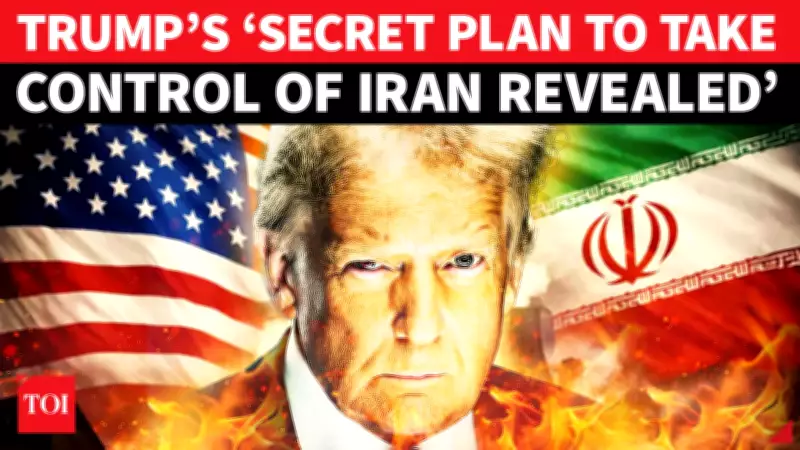
In a recent statement, former US President Donald Trump has hinted that the United States may play a significant role in determining Iran's future leadership, following the ongoing conflict in the region. This comes after similar assertions regarding Venezuela, suggesting a broader pattern in Trump's foreign policy approach.
Trump's Bold Claims on Iran's Political Future
Trump emphasized that Washington D.C. intends to be actively involved in shaping Iran's postwar political environment. He argued that the American people support decisive action, even as his comments face widespread criticism domestically. This stance highlights his continued focus on assertive international strategies.
During his remarks, Trump described the military actions against Iran as highly controlled, while also boasting about the Pentagon's advanced military capabilities. This dual emphasis on precision and power underscores his confidence in US military superiority and its potential influence on geopolitical outcomes.

Context and Implications
The suggestion that the US could influence Iran's leadership succession, particularly in the context of Ayatollah Khamenei's eventual successor, adds a new layer to the complex dynamics of the Iran-Israel war and broader Middle East tensions. Trump's comments reflect a proactive stance that could reshape diplomatic and military strategies in the region.
This development follows a series of related events, including:
- Reports of Iranian forces targeting US and Israeli interests.
- Claims by Iran of hitting US military assets, such as the USS Abraham Lincoln.
- Statements from Iranian officials declaring jihad against Israel and the US.
- Allegations of psychological warfare and regional conflicts being fanned by external actors.
Trump's hints at US involvement in Iran's political future signal a potential shift in how superpowers engage with war-torn nations, emphasizing intervention over isolation. As the situation evolves, these remarks could influence international relations and conflict resolution efforts in the Middle East.