Trump's Pakistan Praise Ignites Regional Speculation
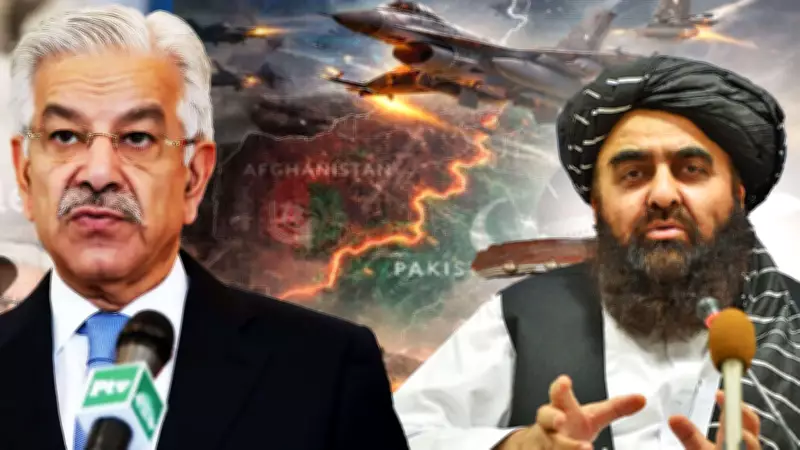
Former US President Donald Trump's public endorsement of Pakistan's leadership during the ongoing Afghan conflict has sent strategic shockwaves across South Asia. This unexpected praise, coming amidst renewed discussions about the Bagram airbase and Islamabad's quest for regional leverage, has analysts deeply divided. Is Pakistan genuinely pursuing its national security interests, or is this a calculated move to secure external approval from a potential future US administration?
Geopolitical Chessboard: Old Playbook or New Strategy?
Observers note that Pakistan appears to be replaying elements of its historical Afghan playbook, leveraging its geographical position to influence outcomes in neighboring Afghanistan. The mention of Bagram airbase—a critical military installation—adds a tangible dimension to these diplomatic maneuvers. Kabul has already drawn clear red lines, emphasizing its sovereignty and resistance to external interference. Meanwhile, India is monitoring developments with intense scrutiny, concerned about any shift in the regional balance of power that could favor its traditional rival.
The stakes are undeniably high, with the potential for another volatile power play in a region already fraught with tension. Trump's comments have effectively reopened old wounds and strategic calculations, forcing all involved parties to reassess their positions.

Regional Reactions and Future Implications
Kabul's firm stance against external meddling signals a possible hardening of attitudes, which could complicate any peace or stability efforts. India's close watch reflects its broader security concerns, particularly regarding terrorism and cross-border influences. The situation presents a complex puzzle for international diplomacy, where every move is scrutinized and every statement carries weight.
As the dust settles, the key questions remain: Will Pakistan's gamble pay off in terms of enhanced regional influence or security guarantees? Or will this maneuver backfire, leading to greater isolation or conflict? The answers will likely shape the geopolitical landscape of South Asia for years to come, making this a critical moment for policymakers and analysts alike.