Trump Expresses Desire to Influence Iran's Leadership Transition
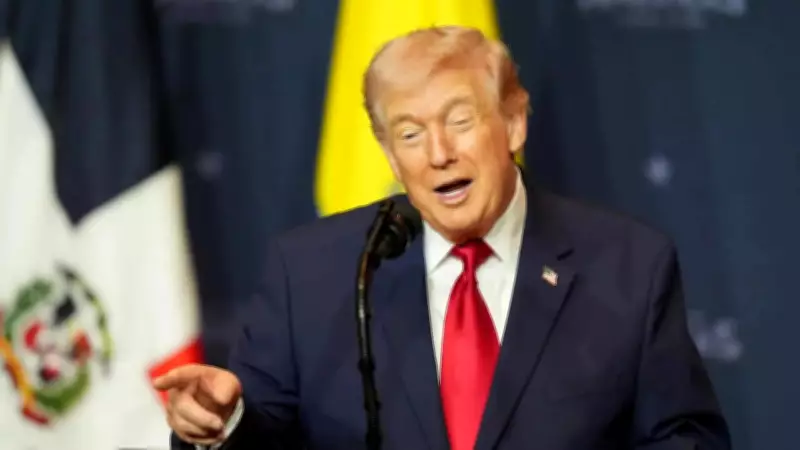
In a recent interview with Axios, US President Donald Trump has stated his intention to be personally involved in selecting Iran's next leader. This move signals a potential American role in shaping the future political leadership of the Islamic Republic, as reported by the media outlet on Thursday.
Trump's Comments on Iran's Succession
Speaking to Axios, Trump emphasized that Washington should have a say in who succeeds Iran's current leadership. He argued that the United States must ensure the next figure at the helm brings "harmony and peace" to the country. Specifically, Trump noted, "Khamenei's son is unacceptable to me. We want someone who will bring harmony and peace to Iran," as quoted by Axios.
Implications for US-Iran Relations
These comments suggest a willingness by the US President to directly influence a leadership transition in Tehran. Such a move is likely to intensify debates over US involvement in Iran's internal affairs, potentially escalating tensions. Trump indicated that his personal involvement is necessary, drawing a comparison to his stance on leadership matters in Venezuela, referencing Delcy Rodríguez.

The remarks come amid heightened tensions between Iran and Western powers, with renewed speculation over the future of Iran's supreme leader, who holds ultimate political and military authority. Any suggestion of US involvement in determining Iran's next leader would represent a dramatic shift in Washington's posture towards Tehran.
Potential Reactions and Global Context
This development could provoke strong reactions from Iranian officials, who have long rejected foreign interference in their political system. The situation adds to ongoing global discussions about US foreign policy and its impact on international affairs, particularly in regions like the Middle East.
As the world watches, the potential for increased US engagement in Iran's leadership selection process raises questions about sovereignty, diplomacy, and the future of bilateral relations between the two nations.