Trump Issues Stark Warning to Spain Over Military Base Access for Iran Operations
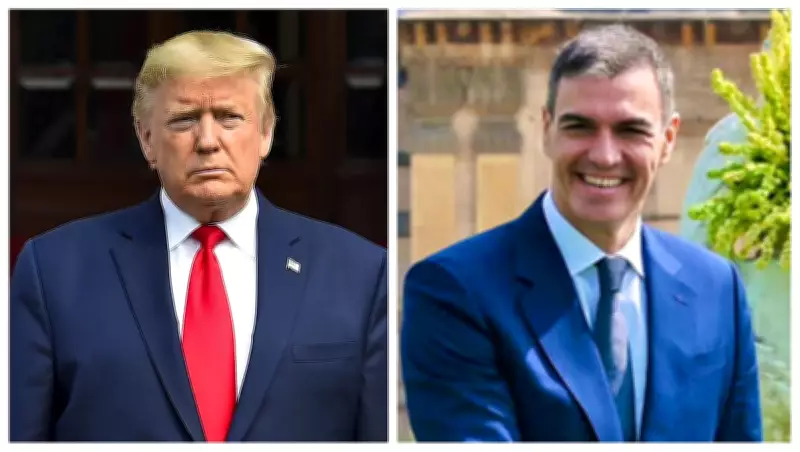
In a dramatic escalation of diplomatic tensions, former United States President Donald Trump has issued a severe warning to Spain, threatening to "cut off all dealings" with the European nation. This ultimatum comes in response to Spain's firm refusal to permit the US military to utilize its strategic bases for conducting strikes against Iran. The confrontation highlights growing friction over military cooperation and sovereignty in international affairs.
Spain's Defiant Stand on Base Usage and Legal Principles
Spain has responded to Trump's threats with a principled stance, emphasizing the need for the United States to be mindful of the autonomy of private businesses and to adhere strictly to international law. Spanish officials argue that granting access to military bases for offensive operations against Iran would violate these core principles, potentially implicating private entities and contravening established legal frameworks. This position underscores Madrid's commitment to upholding diplomatic norms and protecting its national interests.
The refusal is not merely a logistical decision but a reflection of broader concerns about escalating conflicts in the Middle East. Spain's response suggests a cautious approach to military engagements, prioritizing stability and legal compliance over aggressive posturing. This stance has garnered attention from global observers, who view it as a test of international alliances and the rule of law in an increasingly volatile geopolitical landscape.

Implications for US-Spain Relations and Global Diplomacy
The standoff between Trump and Spain carries significant implications for bilateral relations and global diplomacy. Trump's threat to sever all dealings could impact various sectors, including trade, defense cooperation, and diplomatic exchanges, potentially straining a longstanding partnership. Analysts warn that such a move might isolate the US further on the world stage, especially if other allies echo Spain's reservations about military actions against Iran.
Moreover, this incident raises questions about the future of NATO and other international alliances, as member states grapple with balancing loyalty to the US with their own legal and ethical standards. Spain's emphasis on private business autonomy and international law sets a precedent that other nations might follow, challenging unilateral military strategies and promoting a more collaborative approach to global security.
Key Points in the Dispute:- Trump's warning targets Spain's refusal to allow US military use of bases for Iran strikes.
- Spain cites the autonomy of private businesses and adherence to international law as reasons for its decision.
- The conflict threatens to disrupt US-Spain relations and influence broader diplomatic dynamics.
- This situation highlights tensions between national sovereignty and international military cooperation.
As this story develops, the world watches closely to see how both sides will navigate this diplomatic crisis. The outcome could reshape alliances and redefine the boundaries of military engagement in accordance with legal and ethical standards.