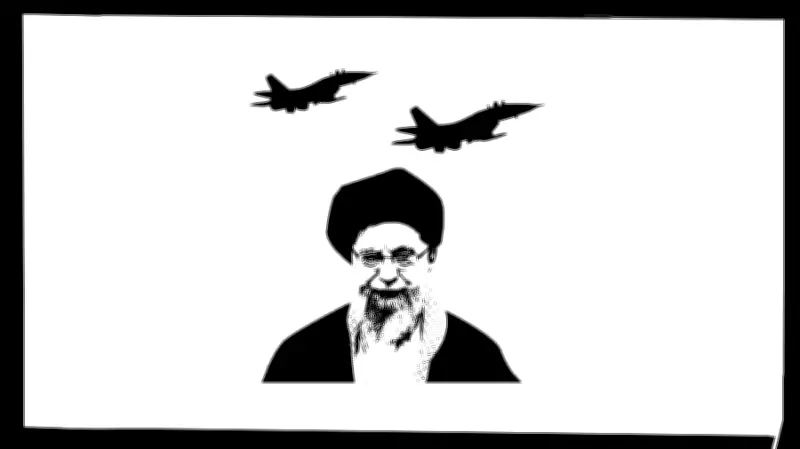
Trump's Iran Gamble: A Strategy Without a Clear Endgame
Questions are mounting about the long-term objectives and potential consequences of former President Donald Trump's approach to Iran, with analysts warning that the strategy appears to lack a coherent exit plan or defined endgame. The situation has become increasingly complex, drawing attention to broader geopolitical maneuvers in the region.
Timing of Modi's Israel Visit Raises Eyebrows
Particular scrutiny has fallen on the timing of Prime Minister Narendra Modi's diplomatic visit to Israel, which occurred just two days before a significant attack in the region. This proximity has sparked intense speculation among foreign policy observers about potential connections, motivations, and unspoken diplomatic agendas.
While no direct evidence has emerged linking the visit to subsequent events, the coincidence has fueled debate about India's evolving role in Middle Eastern politics and how major powers might be positioning themselves amid ongoing tensions. The visit represents a notable moment in India-Israel relations, coming at a particularly sensitive time in regional dynamics.

Broader Implications for Regional Stability
The combination of Trump's unpredictable Iran policy and the timing of high-profile diplomatic visits creates a volatile mix that could have far-reaching consequences for Middle Eastern stability. Several key concerns have emerged:
- Strategic Ambiguity: Trump's approach to Iran appears characterized by tactical moves without clear strategic objectives, creating uncertainty among allies and adversaries alike.
- Diplomatic Signaling: Modi's Israel visit, regardless of its actual connection to subsequent events, sends powerful signals about shifting alliances and priorities in the region.
- Regional Power Dynamics: These developments occur against a backdrop of changing power balances, with multiple nations jockeying for influence and advantage.
- Security Concerns: The lack of clear endgames in major power policies raises legitimate questions about long-term security implications for all regional actors.
Expert Analysis and Future Projections
Foreign policy experts emphasize that successful international strategies require not just initial actions but carefully planned conclusions and exit strategies. The current situation highlights what happens when major powers engage in high-stakes diplomacy without clearly articulated final objectives.
Looking forward, several scenarios could unfold:
- Escalation Risks: Without clear endgames, miscalculations become more likely, potentially leading to unintended escalation of conflicts.
- Diplomatic Opportunities: The uncertainty might create openings for other nations to assert leadership or propose alternative frameworks for regional stability.
- Long-term Consequences: Decisions made today without clear objectives could have unpredictable consequences for years to come, affecting everything from energy markets to global security arrangements.
The coming months will be crucial in determining whether these developments represent temporary turbulence or fundamental shifts in how major powers approach Middle Eastern diplomacy. What remains clear is that strategies without defined endgames carry significant risks for all involved parties, from national governments to civilian populations caught in the crossfire of great power politics.