US Grants India 30-Day Waiver For Russian Oil Purchases Amid Hormuz Tensions
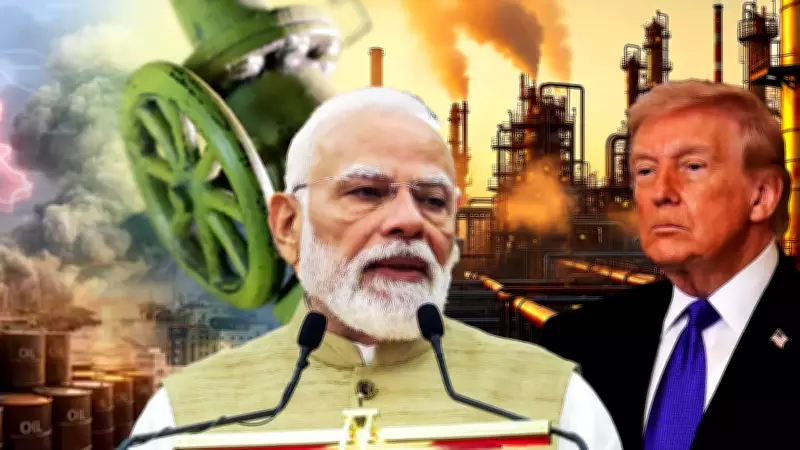
Global energy markets are experiencing renewed volatility as conflict in West Asia threatens critical oil supply routes through the strategically vital Strait of Hormuz. In a significant diplomatic and economic development, the United States has officially granted India a thirty-day waiver permitting continued purchases of Russian oil. This decision comes at a crucial juncture when regional tensions could potentially disrupt energy flows worldwide.
US Treasury Announces Strategic Waiver Decision
US Treasury Secretary Scott Bessent made the formal announcement, stating that the waiver is specifically designed to alleviate pressure on global energy markets while allowing transactions involving Russian crude that is already at sea to proceed. This temporary authorization reflects a pragmatic approach to maintaining market stability during a period of heightened geopolitical risk. Secretary Bessent emphasized that the measure aims to prevent sudden supply shocks that could trigger price spikes affecting consumers globally.
India's Energy Position Remains Stable With Diversified Supplies
Indian officials have confirmed that the country's energy position remains robust and stable, with strategic petroleum reserves containing nearly two months worth of stock. India has systematically diversified its supply chains over recent years, reducing dependency on any single source or route. This diversification strategy is now proving particularly valuable as approximately forty percent of India's crude oil imports traditionally pass through the Strait of Hormuz, making the current regional tensions especially relevant to New Delhi's energy security calculations.

Allies Offer Additional Gas Supplies As Precautionary Measure
Simultaneously with the US waiver announcement, Australia and Canada have reportedly offered additional liquefied natural gas (LNG) supplies to India as a precautionary step amid escalating tensions in the Gulf region. These offers represent a coordinated effort among allied nations to ensure India maintains adequate energy supplies regardless of developments in the Strait of Hormuz. The diversification into gas supplies complements India's existing energy security framework and provides alternative options should oil transportation face disruptions.
New Delhi Closely Monitoring Situation While Strengthening Strategy
The Indian government is maintaining close surveillance of the evolving situation in the Gulf while simultaneously reinforcing its comprehensive energy security strategy. This multifaceted approach includes:
- Enhanced diplomatic engagement with energy-producing nations across multiple regions
- Strategic petroleum reserve management to ensure adequate buffer stocks
- Infrastructure development for alternative energy transportation routes
- Renewable energy acceleration to reduce long-term fossil fuel dependency
The thirty-day waiver period provides crucial breathing space for India to assess the evolving geopolitical landscape while maintaining essential energy imports. This development underscores the complex interplay between global energy markets, diplomatic relations, and regional security concerns that characterize contemporary international relations.