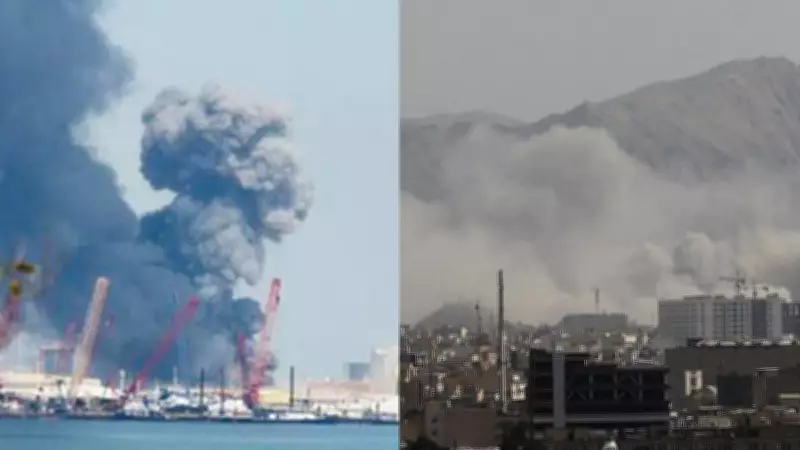
Global Reactions to US-Israel Strikes on Iran: A Diplomatic Overview
In the wake of recent military strikes conducted by the United States and Israel on Iranian targets, world leaders have responded with a mix of condemnation, caution, and calls for de-escalation. The strikes, which targeted facilities linked to Iran's nuclear and military programs, have sparked a flurry of diplomatic activity across the globe, underscoring the complex geopolitical landscape in the Middle East and beyond.
European Union and NATO Responses
The European Union has expressed deep concern over the escalation, urging all parties to exercise restraint and prioritize diplomatic solutions. High Representative Josep Borrell emphasized the need for dialogue to prevent further instability in the region. Similarly, NATO Secretary-General Jens Stoltenberg highlighted the alliance's commitment to regional security but stopped short of endorsing the strikes, instead calling for a measured approach to avoid broader conflict.
Middle Eastern and Asian Perspectives
In the Middle East, reactions have been sharply divided. Saudi Arabia and the United Arab Emirates, while traditionally wary of Iran's influence, have issued cautious statements advocating for stability and non-interference. Conversely, Syria and Lebanon's Hezbollah have condemned the strikes as acts of aggression, warning of potential retaliation. From Asia, China and Russia have criticized the military action, with Beijing urging respect for sovereignty and Moscow calling for an immediate cessation of hostilities to prevent a wider crisis.

United Nations and International Organizations
The United Nations Secretary-General has called for an emergency session of the Security Council to address the situation, stressing the importance of upholding international law and avoiding actions that could lead to a full-scale war. Human rights groups have also raised alarms about the potential humanitarian impact, particularly on civilian populations in affected areas.
Analysis of Diplomatic Implications
These varied reactions reflect the deep-seated tensions and alliances shaping global politics. The strikes have not only heightened fears of regional conflict but also tested diplomatic relationships, with some nations balancing strategic interests against calls for peace. Experts warn that the situation could influence ongoing negotiations, such as those related to Iran's nuclear program, and may lead to shifts in international coalitions.
As the world watches closely, the responses from leaders highlight the critical need for dialogue and de-escalation to prevent further violence and ensure regional stability. The coming days will likely see intensified diplomatic efforts as nations navigate this volatile scenario.