The Delhi Government on Wednesday notified a permanent Winter Pollution Master Plan, overhauling its anti-pollution strategy. The plan institutionalizes seasonal restrictions and makes the 'No Pollution Under Control (PUC), No Fuel' rule applicable throughout the year.
Key Measures in the Permanent Framework
The notification, issued by the Department of Environment and Forest, establishes a permanent framework that automatically comes into force every year from November 1 to February 28, eliminating the need for separate winter pollution orders. Vehicles without a valid PUC certificate will be denied fuel at petrol pumps, CNG stations, and LPG outlets. Compliance will be checked digitally through vehicle databases and physical certificates. The Transport Department, Delhi Traffic Police, oil companies, Indraprastha Gas Limited, Municipal Corporation of Delhi (MCD), and the Food and Supplies Department will monitor implementation.
Entry Restrictions for Non-Delhi Vehicles
Non-Delhi registered vehicles below BS-VI emission standards are barred from entering the Capital between November 1 and January 31. CNG and electric vehicles, ambulances, fire tenders, police vehicles, and other exempted categories are not subject to these restrictions.

Work-from-Home and Parking Measures
To reduce traffic congestion and vehicular emissions during winter, the government has directed that only 50% of employees in government and private offices attend workplaces between November 1 and January 31, with the remaining staff working from home. Essential services are exempted. Authorized parking charges across the city will be doubled from November 1 to February 28 to discourage private vehicle use, except for Delhi Metro Rail Corporation parking facilities. Office timings for Delhi Government and MCD employees will be staggered to reduce peak-hour congestion.
Construction and Dust Control
The notification imposes a ban on demolition and dust-generating civil construction activities from November 1 to January 31, except for essential public infrastructure projects. Between December 10 and January 20, restrictions become more stringent, allowing only indispensable government projects and emergency works to continue. Anti-smog guns or mist systems are mandatory for commercial buildings with built-up area exceeding 3,000 square metres and high-rise institutional buildings. Construction sites over 1,000 square metres must install dust suppression systems.
Accountability and Surveillance
The policy introduces institutional accountability for open burning of waste, leaves, and biomass. Resident Welfare Associations (RWAs), housing societies, government and private institutions, contractors, and agencies are responsible for preventing such incidents within their premises. Drone surveillance will be stepped up during winter, particularly at night, to detect violations.
Government's Objective
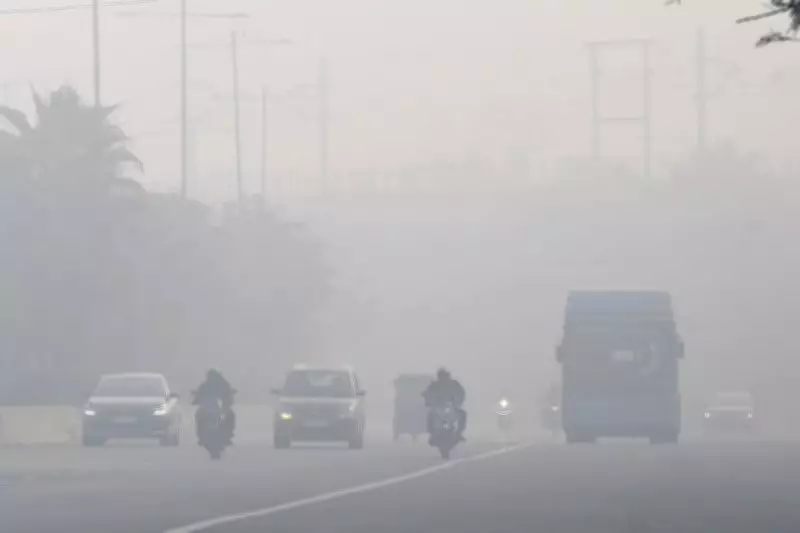
Chief Minister Rekha Gupta said the objective was to ensure all departments and citizens know in advance the measures that would apply every winter, allowing better preparedness and more effective implementation. According to the government, Delhi’s average Air Quality Index (AQI) between November 1 and February 15 during the last three winter seasons ranged between 312 and 342, with peak AQI levels touching 461 to 494, prompting the need for a permanent pollution-control framework.