

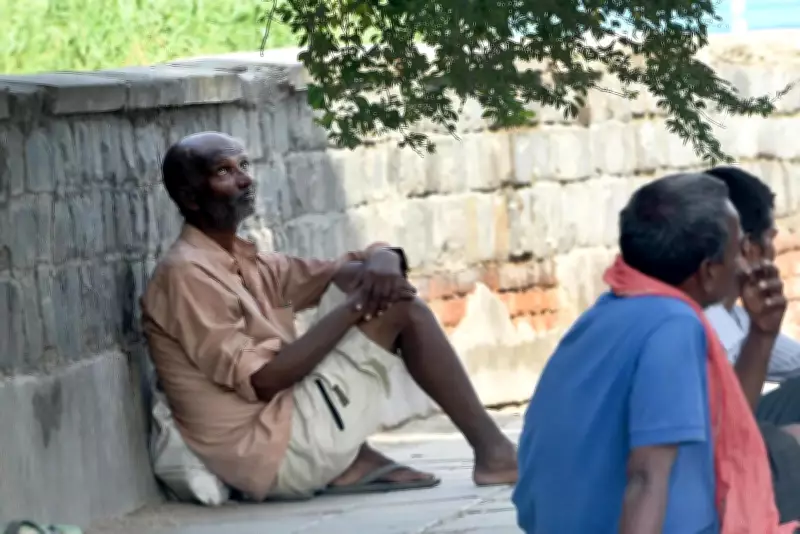
Gurgaon Administration Calls for Partners in Ambitious Beggar Rehabilitation Initiative
The district administration in Gurgaon has launched a significant initiative under the Central Government's SMILE scheme, actively seeking collaboration from startups, corporations, non-governmental organizations, and various institutions. This structured rehabilitation program aims to transition individuals away from begging and into stable, income-generating employment through comprehensive support mechanisms.
Proposal Submission Deadline and Program Objectives
According to Additional Deputy Commissioner Sonu Bhatt, the district social welfare department has officially invited proposals from eligible organizations to implement this transformative program. The submission deadline is firmly set for April 25, creating a clear timeline for interested parties to prepare their applications.
The program's core objectives are multifaceted and designed for long-term impact. Organizations selected will be responsible for providing beneficiaries with demand-based skill training, facilitating connections to self-help groups, assisting with access to institutional finance, and ultimately reintegrating individuals into society through sustainable livelihood opportunities.

Eligible Organizations and Specific Requirements
The administration has outlined specific criteria for organizations wishing to participate in this rehabilitation effort. Eligible entities include:
- Recognized NGOs with proven experience
- Innovative startups focused on social impact
- Section 8 companies dedicated to charitable purposes
- Institutions registered under the Societies Registration Act, 1860, or relevant state and union territory laws
- Panchayati Raj institutions at the local governance level
- Urban local bodies responsible for municipal administration
- State or union territory-funded institutions with relevant expertise
Bhatt emphasized that NGOs operating shelter homes must demonstrate at least two years of operational experience and provide comprehensive documentation including registration papers, memorandum of association, annual reports, applicable income tax documents, and detailed information about their management committee structure.
Skill Development Trades and Program Parameters
The rehabilitation program identifies several practical trades for skill development, carefully selected based on market demand and sustainability potential. These include:
- Carpentry for woodworking and furniture making
- Tailoring for garment production and alterations
- Cooking for culinary arts and food service
- Gardening for horticulture and landscaping
- Security services for protection and surveillance
- Sanitation work for cleanliness and hygiene maintenance
- E-rickshaw driving for eco-friendly transportation
"The primary objective is to connect beneficiaries with sustainable livelihood options and prevent their return to begging," Bhatt explained. He further noted that the rehabilitation model incorporates long-term support structures, regular follow-up procedures, and continuous monitoring mechanisms to ensure lasting success.
Mandatory Representation and Operational Requirements
A crucial requirement of the program mandates that participating organizations include representation from individuals formerly engaged in begging. This ensures that the rehabilitation approach remains grounded in lived experiences and practical realities.
Organizations currently receiving financial assistance under other government schemes will not be eligible unless they formally withdraw from that existing support. Selected agencies can receive assistance for up to five years, contingent upon satisfactory performance evaluations and meeting program milestones.
Physical infrastructure requirements vary based on city categorization, with organizations expected to provide operational space ranging from 4,000 to 6,000 square feet to accommodate training facilities, administrative functions, and support services.

Connecting to Broader Welfare Programs
Beyond immediate skill development, the program strategically links beneficiaries to both central and state welfare initiatives. This integrated approach ensures that individuals receive comprehensive support including potential access to housing assistance, healthcare benefits, educational opportunities for dependents, and other social safety nets that contribute to sustainable rehabilitation.
The Gurgaon administration's initiative represents a significant step toward addressing urban poverty and social exclusion through collaborative governance. By engaging diverse stakeholders from the private sector, civil society, and local institutions, the program aims to create a replicable model for urban rehabilitation that balances immediate needs with long-term sustainability.





