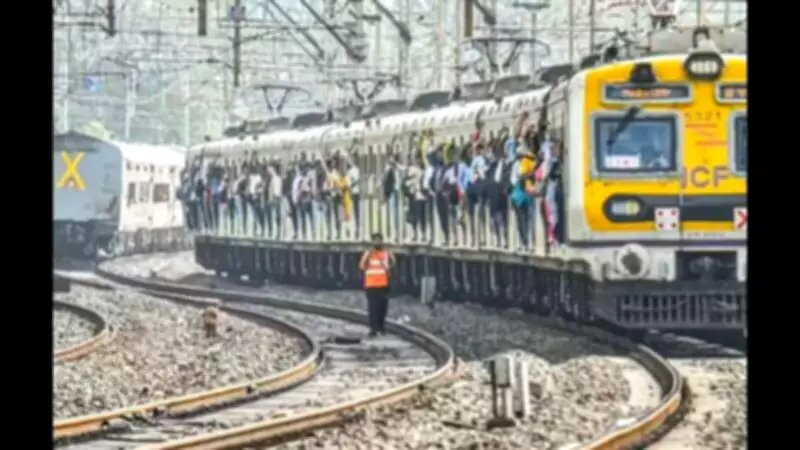
The central government has proposed doubling the minimum penalty for ticketless train travel from Rs 250 to Rs 500, alongside introducing steeper fines for various railway offences. This move is part of a broader shift towards a penalty-based enforcement regime under the Jan Vishwas (Amendment of Provisions) Act, 2026.
Implementation Timeline
The Railway Board has informed all zonal railways that the legislation has received Presidential assent. Amendments to the Railways Act, 1989, will be brought into force through a separate notification. Railway officials indicated that the revised provisions are expected to be implemented shortly, likely from July 1.
Key Changes to Penalties
Ticketless Travel
Under the revised Section 137, passengers travelling without a valid ticket or reusing an already-used ticket must pay the applicable fare along with excess charges, subject to a minimum charge of Rs 500, up from the existing Rs 250. Failure to pay can result in the matter being referred to a competent court.

Travelling on Another Person's Ticket
Amendments also revise penalties for using another person's ticket. Such tickets will be forfeited, and the passenger must pay the fare and excess charges, with a minimum liability of Rs 500.
Unauthorised Hawking and Begging
Unauthorised hawking and begging in trains and railway premises will attract a penalty of Rs 2,000. Repeat offenders could face imprisonment of up to one year. The amendments expressly prohibit begging in railway carriages and stations.
Nuisance and Intoxication
Passengers creating a nuisance, using abusive or obscene language, interfering with railway amenities, or causing inconvenience to fellow travellers may face a fine of Rs 1,000. Those found intoxicated and creating a disturbance can be removed from trains and stations and may also face penalties.
Occupying Reserved Coaches
The proposed amendments prescribe a penalty of Rs 2,500 for men found occupying coaches, seats, or berths reserved for women. Railway staff will be empowered to remove such passengers.
Prohibited Goods
Carrying prohibited or dangerous goods on trains could attract a minimum penalty of Rs 10,000.
Trespassing
Trespassing in passenger areas will attract a penalty of Rs 500, while unauthorised hawkers, beggars, and other violators can be removed by authorised railway staff.
Periodic Revision
The Jan Vishwas Act also provides for periodic revision of penalties. Fines under covered laws are set to increase by 10% every three years unless a separate revision mechanism is prescribed. The objective, according to the legislation, is to decriminalise minor offences, improve compliance, and promote trust-based governance while ensuring quicker enforcement through monetary penalties.