

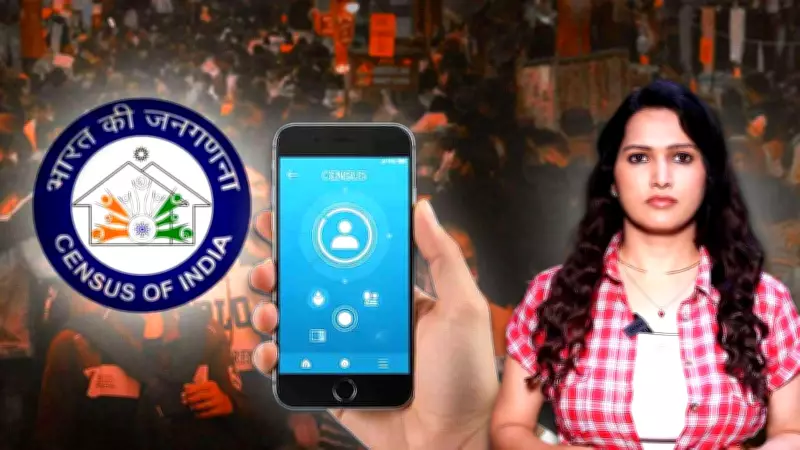
India Embarks on Historic Digital Census Era
India is poised to revolutionize its demographic data collection with the launch of its inaugural fully digital Census, commencing on April 1. This transformative shift marks a significant leap in governance, transitioning from traditional paper-based methods to a comprehensive tech-enabled system designed to enhance speed, accuracy, and accessibility nationwide.
Tech-Driven Data Collection Methods
The digital Census will leverage advanced technological tools to streamline the massive exercise. Enumerators across the country will be equipped with multilingual mobile applications, allowing for real-time data entry and reducing manual errors. Simultaneously, citizens will have the unprecedented option to directly submit their household and personal details through secure online portals, promoting convenience and broader participation.
This dual approach—combining field enumerators with self-entry platforms—aims to capture a more precise and comprehensive snapshot of India's population.

Expanded Data Scope and Key Innovations
The Census will gather extensive information on various critical aspects, including:
- Housing conditions and infrastructure
- Living standards and amenities
- Detailed demographic profiles
- For the first time, digital recording of caste data
The inclusion of caste data digitally is a landmark development, expected to provide nuanced insights for social and economic policies.
Privacy Assurance and Policy Impact
To foster public trust, the government has emphasized stringent confidentiality measures. Citizens are not required to submit physical documents, alleviating concerns about data misuse. The collected data will serve as a foundational tool for informed policy decisions, strategic resource allocation, and targeted development initiatives, shaping India's growth trajectory in the coming years.
As India advances towards a data-driven future, this digital Census stands as a pivotal instrument in understanding and addressing the evolving needs of its 1.4 billion population, ultimately contributing to more effective governance and equitable progress.






