

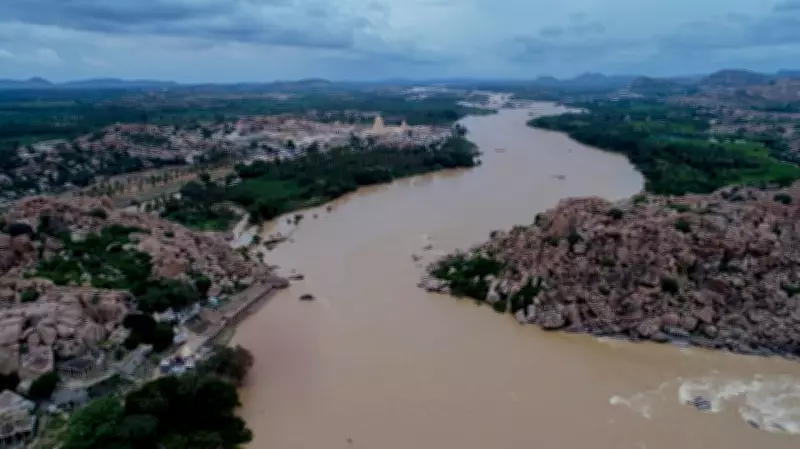
The Karnataka government has officially adopted the Tungabhadra River as a model river in a bid to combat pollution and restore its ecological health. The decision comes after the Central Monitoring Committee under the Department of Water Resources, Ministry of Jal Shakti, flagged the severe deterioration of the river and directed the state to prepare an action plan on priority.
Central directive triggers state action
The Ministry of Jal Shakti's committee had raised concerns over the declining water quality and increasing pollution levels in the Tungabhadra, which flows through Karnataka and Andhra Pradesh. In its communication, the committee emphasized the need for immediate restoration measures and asked the Karnataka government to submit a comprehensive action plan. The state has now responded by designating the river as a model for pollution control, aiming to replicate successful strategies across other water bodies.
Key measures under the model river initiative
As part of the initiative, the Karnataka government will focus on preventing industrial and domestic waste from entering the river. Strict enforcement of environmental norms, installation of effluent treatment plants, and regular monitoring of water quality are among the planned steps. The government will also work with local communities and industries to ensure compliance. According to officials, the action plan includes setting up real-time monitoring stations and increasing green cover along the riverbanks.

Impact on local communities and environment
The Tungabhadra River is a lifeline for millions of people in the region, supporting agriculture, drinking water supply, and livelihoods. Pollution has severely affected aquatic life and human health in nearby villages. The restoration effort is expected to improve water quality, reduce waterborne diseases, and revive biodiversity. The state government has allocated funds for the first phase of the project and will seek additional support from the central government.






