

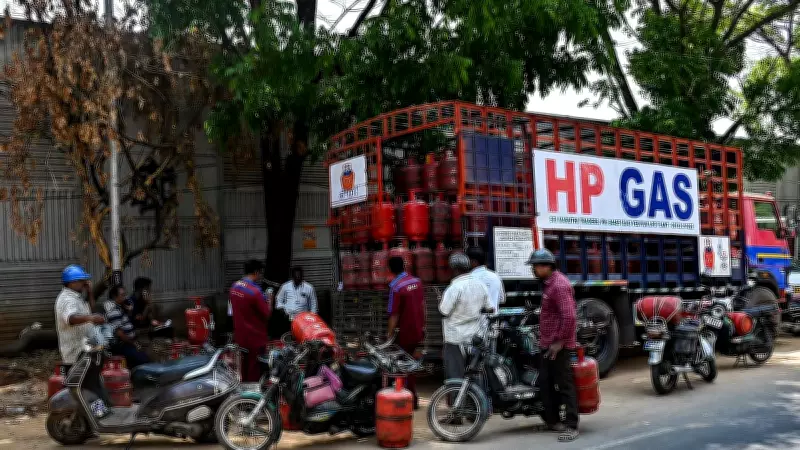
Domestic LPG Crisis: Consumers Report Extended Waiting Periods for Cylinders
In a concerning development for households across Bengaluru, consumers of domestic Liquefied Petroleum Gas (LPG) are alleging prolonged waiting periods for cylinder deliveries, contradicting official claims of uninterrupted supply. This situation has sparked frustration and inconvenience among residents who rely on LPG for daily cooking and heating needs.
Official Claims Versus Consumer Experiences
While government authorities and LPG distribution agencies maintain that supplies remain unaffected and operations are running smoothly, the reality on the ground appears starkly different. Numerous consumers have reported waiting outside agency offices for hours, only to face delays or unavailability of cylinders. This discrepancy between official statements and actual consumer experiences highlights a potential breakdown in communication or logistics within the supply chain.
The government and agencies assert that there have been no disruptions to LPG distribution, attributing any minor delays to routine operational factors. However, consumers narrate a different story, describing extended waiting times that disrupt their daily routines and household management. This growing gap between policy assurances and practical implementation is raising questions about the efficacy of current distribution mechanisms.

Impact on Daily Life in Bengaluru
The alleged delays are having a tangible impact on Bengaluru residents, many of whom depend entirely on LPG for cooking. Extended waiting periods force families to alter meal plans, seek alternative cooking methods, or incur additional expenses. For low-income households, these disruptions can be particularly severe, affecting nutrition and financial stability.
Consumers waiting outside agencies have shared accounts of inconsistent supply, with some reporting wait times stretching over multiple days. This inconsistency not only causes inconvenience but also erodes trust in the reliability of essential services. The situation underscores the critical importance of efficient LPG distribution in urban areas like Bengaluru, where population density and demand are high.
Potential Causes and Broader Implications
Several factors could be contributing to the reported delays, including logistical challenges, increased demand, or administrative bottlenecks. Without transparent communication from authorities, consumers are left speculating about the root causes, which fuels anxiety and dissatisfaction. This issue also has broader implications for public trust in government-managed essential services.
As of April 13, 2026, the problem persists, with no clear resolution in sight. The ongoing complaints suggest a need for immediate intervention to assess and rectify supply chain inefficiencies. Ensuring timely LPG delivery is not just a matter of convenience but a vital component of household security and public welfare.
In summary, the domestic LPG situation in Bengaluru reveals a significant disconnect between official narratives and consumer realities. Addressing this gap requires proactive measures from both government and agencies to restore confidence and ensure reliable access to this essential resource for all residents.






