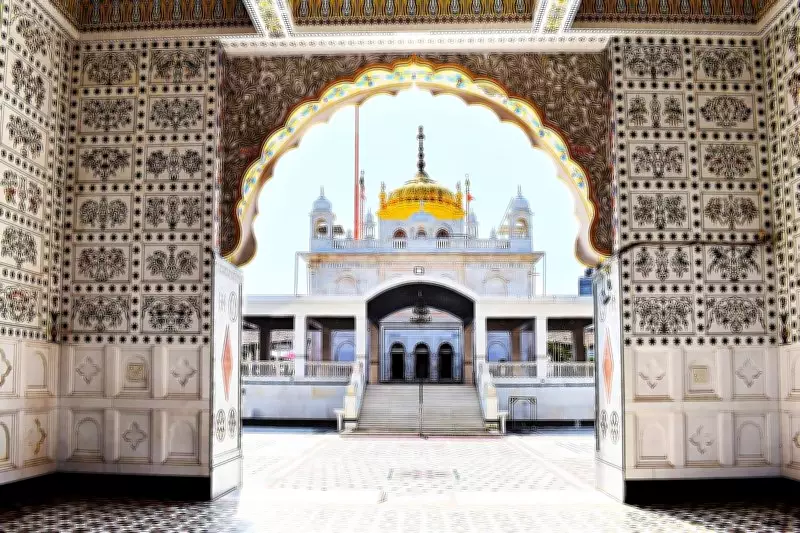
The Maharashtra government on Tuesday constituted a committee to consult stakeholders from the Sikh community on the proposed Sri Hazur Sahib Act, which aims to govern the affairs of Takht Sri Hazur Sahib Gurudwara in Nanded. The move comes after significant opposition from Sikh groups, leading the state to place the controversial draft law on hold.
Committee Composition and Mandate
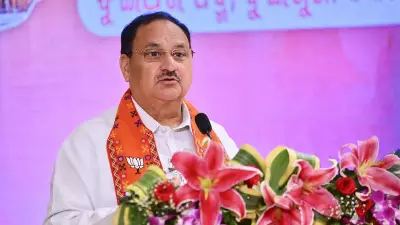
The committee comprises the Additional Chief Secretary (Revenue), Divisional Commissioner of Chhatrapati Sambhajinagar, Collector of Nanded, Deputy Secretary (Revenue), and Deputy Collector of Nanded. It is tasked with inviting Sikh clergy, community leaders, and other stakeholders to present their views on the proposed legislation. Senior BJP leader RP Singh, who along with Punjab BJP president Kewal Singh Dhillon engaged Maharashtra Chief Minister Devendra Fadnavis on the matter, welcomed the formation of the panel.
Background of the Controversy
The Maharashtra government's decision to repeal the Nanded Sikh Gurdwara Sachkhand Sri Hazur Sahib Abchalnagar Sahib Act 1956 and replace it with a new law, the Takht Sachkhand Sri Hazur Abchalnagar Sahib Gurdwara Act, triggered widespread anxiety across the Sikh community. Caretakers of Takht Sri Hazur Sahib asserted religious autonomy and issued a gurmata (collective religious edict) rejecting the repeal proposal. The gurmata, a binding decision taken in the name of the Guru, was read out by Singh Sahib Giani Ram Singh in the presence of Takht Jathedar Giani Kulwant Singh.

Call for Stakeholder Suggestions
RP Singh urged the SGPC, Delhi Sikh Gurdwara Management Committee, Takht Sri Patna Sahib Management Committee, Haryana Sikh Gurdwara Management Committee, and all Sikh Jathebandis to proactively submit their suggestions. He emphasized that every stakeholder's voice should be heard to achieve a broad consensus. Singh also requested Chief Minister Fadnavis to retain the government's vision for a mega rejuvenation plan for the Takht Hazur Sahib complex, modeled on the Kashi Vishwanath Corridor and Mahakal Lok in Ujjain, even as the board reconstitution takes time.
Impact and Next Steps
The committee's formation marks a temporary resolution to the conflict, with the government putting the draft law on hold to allow for thorough discussion. The Sikh community's concerns about religious autonomy and governance of the historic gurdwara are now being addressed through a consultative process. The panel will collect feedback and submit recommendations, potentially leading to a revised bill that accommodates stakeholder interests.