

Mumbai's BKC Pod Taxi Project Phase I to be Completed in 20 Months, Says CM Fadnavis
Chief Minister Devendra Fadnavis announced on Monday that the first phase of Mumbai's BKC pod taxi project will be completed within 20 months, setting a clear timeline for the city's inaugural driverless personal rapid transit system. This initiative is designed to alleviate last-mile congestion in the bustling Bandra Kurla Complex business district, marking a significant step forward in urban mobility solutions.
Formal Launch and Key Attendees
Fadnavis performed the bhoomipujan for the 3.36-kilometer Phase I stretch, formally launching the project alongside Deputy Chief Ministers Eknath Shinde and Sunetra Pawar. This ceremonial ground-breaking event underscores the government's commitment to enhancing public transportation infrastructure in Mumbai.
Route Details and Connectivity
The initial corridor will connect Kurla terminal station with Bandra East terminal station, covering several key locations to ensure comprehensive access. The route includes:

- LBS Marg
- MMRDA Pay and Park (G Block)
- BDB Gate 11
- Kalanagar
- Old MMRDA building
- Excise department
This strategic alignment aims to provide seamless connectivity for commuters traveling through these high-traffic areas.
Project Management and Government Support
Chief Minister Fadnavis directed officials to immediately escalate any hurdles posed by government agencies or departments, assuring that such issues would be resolved at the highest level. This proactive approach is intended to ensure the project is executed in a hassle-free environment and completed within the stipulated deadline, reflecting strong governmental oversight and support.
Technical Specifications and Features
Planned as part of an 8.85-kilometer pod taxi network with 22 stations, the system is expected to offer advanced features for efficient transit. Key technical aspects include:
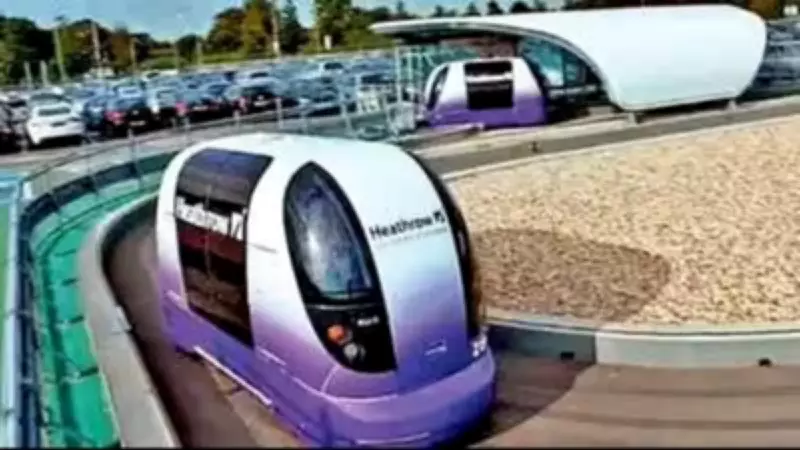
- Six-seater pods that are fully automated, battery-operated, and AI-enabled
- Maximum operating speed of 40 kilometers per hour with a 15-second headway between pods
- On-demand stop mechanism, allowing pods to halt only at stations selected by passengers, thereby bypassing others to reduce travel time
These innovations are poised to enhance the commuting experience by prioritizing speed and convenience.
Integration with Existing Transport Networks
The pod taxi network will integrate with Metro Line 3 at BKC and Metro 2B stations near ITO and IL&FS, improving multimodal access for commuters. This integration is crucial for creating a cohesive public transportation ecosystem in Mumbai, facilitating easier transfers and reducing overall travel burdens.
Projected Impact and Implementation Model
The full project is projected to serve 1.09 lakh daily commuters by 2031, significantly boosting public transit usage in the region. It is being implemented on a Public-Private Partnership model, which means there is no direct cost to the state government or the Mumbai Metropolitan Region Development Authority. This financial structure leverages private sector efficiency while minimizing public expenditure, making it a sustainable model for future infrastructure projects.
Overall, the BKC pod taxi project represents a forward-thinking approach to urban transportation, combining cutting-edge technology with strategic planning to address Mumbai's growing mobility challenges.






