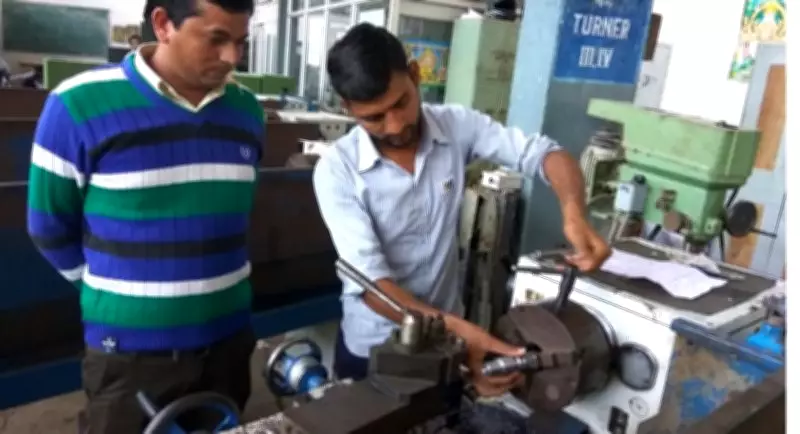
The Haryana Government has announced a monthly stipend of approximately Rs 2,000 for students enrolled in Industrial Training Institutes (ITIs) across the state. This financial incentive aims to support students from economically weaker sections (EWS) and encourage greater participation in vocational training programs.
Financial Support for Vocational Students
According to a senior official from the Department of Skill Development and Industrial Training, the stipend is designed to ease financial pressures on students and ensure sustained attendance. “The introduction of this monthly stipend is a strategic investment in our youth,” the official stated. “By easing financial pressures on students from economically weaker backgrounds, we are not only ensuring their sustained attendance but also sparking a renewed sense of purpose.”
The initiative is part of a broader effort to bridge the gap between classroom education and the needs of the modern industrial sector. By reducing the financial burden on families, the government hopes to make technical training a more viable and attractive career path.

Expansion of ITI Network and Capacity
For the 2026–27 admission cycle, Haryana's vocational education network includes 377 ITIs—197 government-run and 180 private institutions—with a combined capacity of nearly 1 lakh seats. These institutes offer training in over 89 engineering and non-engineering trades, ranging from traditional mechanical roles to modern technologies.
The government is placing a strong emphasis on the dual system of training (DST), which integrates classroom learning with hands-on industrial experience. Under this model, trainees gain practical exposure to machinery, safety standards, and operational workflows, ensuring they graduate as job-ready professionals.
Admission Process and Support Measures
The registration process for the 2026–27 academic year is currently underway. Candidates with Class VIII, X, or XII qualifications are eligible to apply. To assist applicants, the Department of Skill Development and Industrial Training (DSIT) has set up help desks at each institute to guide students through registration and seat allotment. These support centres aim to ensure that the benefits of the stipend and the technical curriculum reach those who need them most.
By combining financial incentives with a industry-linked curriculum, Haryana is setting a new benchmark for vocational excellence, empowering a new generation of skilled workers to contribute to the state's and the nation's economic future.