

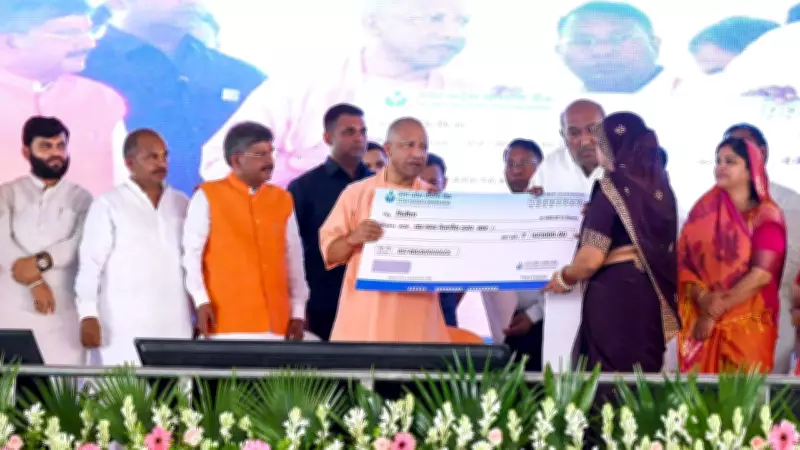
Nirashrit Mahila Pension Yojana: A Pillar of Social Security in Uttar Pradesh
The Nirashrit Mahila Pension Yojana, also known as the Destitute Women Pension Scheme or Widow Pension Scheme, has become a cornerstone of Uttar Pradesh's social security framework. Under the leadership of Chief Minister Yogi Adityanath, the state has strengthened the scheme through large-scale beneficiary coverage, transparent digital systems, Aadhaar-based verification, and Direct Benefit Transfer (DBT) mechanisms. This has improved the delivery of welfare benefits to millions of vulnerable women, building a more inclusive and compassionate welfare system.
Objective of the Scheme
The primary objective of the Nirashrit Mahila Pension Yojana is to provide financial security to widows and destitute women who lack adequate means of livelihood. The scheme aims to:
- Support vulnerable women in meeting their basic daily needs.
- Promote financial independence and dignity.
- Reduce economic vulnerability after the loss of a spouse.
- Strengthen social security coverage for disadvantaged sections of society.
- Ensure transparent and corruption-free transfer of benefits through DBT.
Financial Assistance
Eligible beneficiaries receive a pension of Rs 1,000 per month. Payments are generally credited quarterly through Direct Benefit Transfer, with beneficiaries receiving Rs 3,000 every three months directly into their Aadhaar-linked bank accounts. This eliminates leakages and ensures timely assistance.

Major Reforms Under the Yogi Government
Since 2017, Uttar Pradesh has implemented major reforms in social pension schemes, including the Nirashrit Mahila Pension Yojana:
- Complete Digitization: Online application and monitoring systems enable online registration, digital verification, real-time beneficiary tracking, and transparent approval processes.
- Aadhaar-Based Authentication: Mandatory Aadhaar authentication eliminates duplicate and fake beneficiaries, improving targeting of genuine recipients.
- Direct Benefit Transfer (DBT): DBT ensures timely payments, reduces corruption and middlemen, and enhances accountability.
- Continuous Verification Drives: Regular campaigns remove ineligible beneficiaries and update records, ensuring only deserving women continue receiving benefits.
Beneficiary Coverage and Impact
The scheme has expanded substantially, benefiting around 34 lakh women across Uttar Pradesh. It has been particularly impactful for rural widows, elderly women without family support, women from economically weaker households, and marginalized communities. The pension provides critical support for food, medicines, and household expenses.
Eligibility Criteria
Applicants must generally satisfy:
- Residency: Permanent resident of Uttar Pradesh.
- Marital Status: Widow or destitute woman lacking adequate support.
- Age: 18 years or above.
- Income Criteria: Annual family income not exceeding Rs 2 lakh.
- Other Conditions: Not receiving a similar pension from another scheme; Aadhaar authentication mandatory; bank account linked with Aadhaar for DBT.
Documents Required
Applicants generally need: Aadhaar Card, Husband's Death Certificate, Income Certificate, Residence Proof, Bank Passbook, Aadhaar-linked Bank Account Details, Passport-size Photograph, and any additional documents required by local authorities.
Application Process
The application process is simple through the online social security portal:

- Visit the pension portal.
- Select "Nirashrit Mahila Pension" and complete the online application form.
- Upload required documents.
- Submit the application.
- The application undergoes verification at district and local levels.
- Upon approval, pension payments begin through DBT.
Monitoring and Transparency
The Yogi government's emphasis on technology-driven governance includes online beneficiary databases, Aadhaar verification, digital payment tracking, public monitoring systems, and automated fund transfers. These reforms have significantly improved service delivery and reduced administrative delays.
Role in Women Empowerment
The scheme contributes to women's empowerment, social inclusion, reduction in economic dependence, improved quality of life, and greater financial security for vulnerable households. For many beneficiaries, the pension serves as a dependable source of income that helps maintain dignity and self-reliance.





