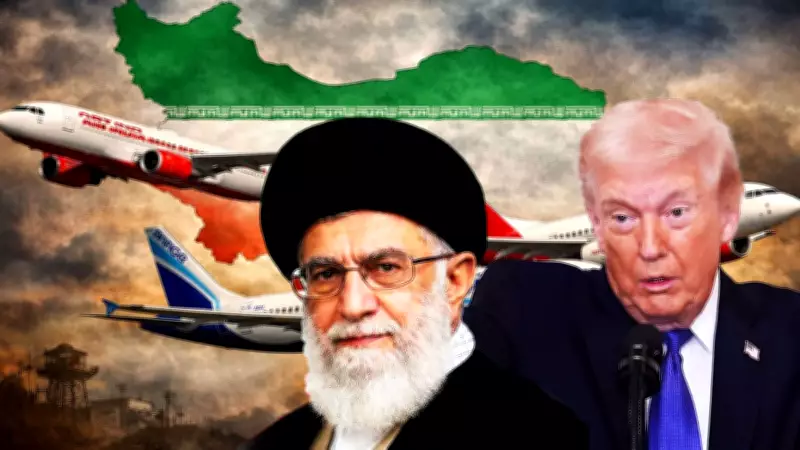
Air India and IndiGo Halt Operations as West Asia Airspace Shuts Down Amid Military Escalation
In a significant development impacting global aviation, Air India and IndiGo have suspended flights to several key destinations across West Asia. This decision comes as a direct response to widespread airspace closures implemented by multiple countries in the region, following a sharp escalation in military hostilities.
Coordinated Strikes Trigger Regional Airspace Closures
The aviation disruption follows reports of coordinated military strikes conducted by the United States and Israel targeting locations within Iran. These actions prompted immediate retaliatory measures, including missile attacks, raising fears of a broader regional conflict. In response, nations including Iraq, Qatar, Bahrain, Kuwait, and the United Arab Emirates swiftly moved to close their airspace to civilian traffic.
An Air India flight en route to Tel Aviv was compelled to turn back mid-air, underscoring the rapid and unpredictable nature of the unfolding situation. The closure of these critical air corridors has created a complex web of logistical challenges for airlines operating in the region.

Airlines Prioritize Passenger and Crew Safety
Both Air India and IndiGo have issued statements emphasizing that the safety of passengers and crew members remains their absolute top priority. The suspensions are described as precautionary measures, taken to avoid potential risks associated with flying through or near conflict zones.
The airlines are closely monitoring the volatile security environment and have assured affected travelers that they are working on contingency plans, including re-routing and refund options, where applicable. The duration of these suspensions remains uncertain, hinging entirely on de-escalation and the reopening of airspace by regional authorities.
Broader Implications for Aviation and Regional Stability
This incident highlights the immediate and far-reaching consequences geopolitical tensions can have on international travel and commerce. The closure of such a significant portion of West Asian airspace disrupts not only direct flights but also numerous transit routes connecting Europe, Asia, and beyond.
Aviation analysts note that similar disruptions have occurred in the past during periods of regional instability, but the scale and coordination of these current closures are particularly noteworthy. The situation serves as a stark reminder of the interconnectedness of global security and transportation networks.
As the military situation develops, airlines worldwide are being forced to adjust their flight paths and schedules, leading to potential delays and cancellations for passengers far beyond the immediate conflict zone. The international aviation community is on high alert, awaiting further developments that will determine when normal operations can safely resume.