Within a week, Chandigarh Police cracked two sensational murder cases and, along with the Narcotics Control Bureau (NCB), dismantled a Pakistan-linked methamphetamine (ICE) syndicate. Yet the developments have also exposed uncomfortable questions about organized crime, drug trafficking, mob violence, and policing effectiveness in a city long regarded as one of India's safest.
Three Major Cases
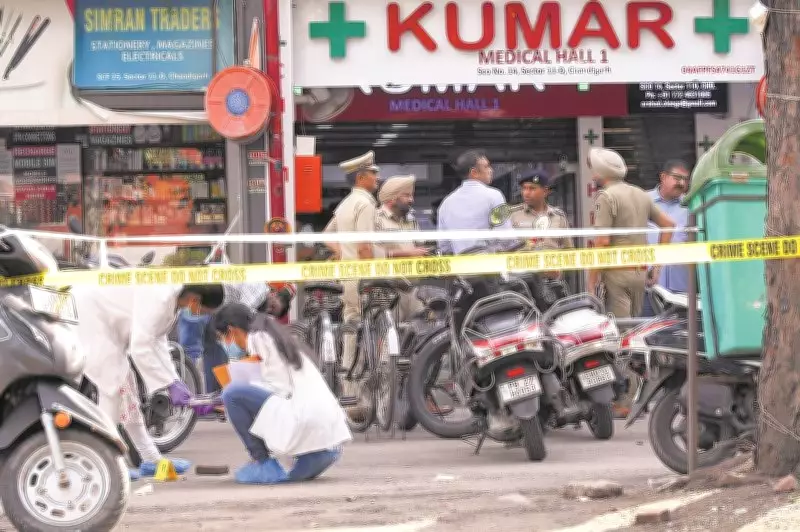
Three major cases have dominated Chandigarh's law-and-order landscape, starting with the Sector 11 pharmacy murder. On June 13, 45-year-old cashier Janki Das was shot dead inside Shree Kumar Medical Hall in Sector 11. The assailants fired 13 rounds at close range before escaping from a crowded market adjoining PGIMER. The police later arrested alleged principal shooter Sunny Mehra and alleged motorcycle rider Aryan Sharma from Jammu and Kashmir. A third accused, Amit Kumar, remains absconding. The case took another dramatic turn when the arrested duo allegedly attempted to escape after a police vehicle met with an accident while bringing them to Chandigarh. Both suffered bullet injuries in retaliatory police firing.
The police also solved the recent Mauli Jagran murder case and arrested all four accused, highlighting concerns over vigilante violence and people taking the law into their own hands. In a separate operation, NCB and Chandigarh Police busted an international methamphetamine trafficking network allegedly linked to handlers operating from Pakistan.

Threat to Rule of Law
Together, the three cases reveal four emerging trends: criminal networks are increasingly interstate and mobile; organized gangs are using social media, extortion threats, and remote handlers; citizens judge policing by prevention, not merely by solving crimes after they occur; and mob violence remains a serious threat to the rule of law.
The Why
The strongest line of investigation in the Sector 11 murder remains extortion. Hours after the killing, Canada-based gangster Goldy Dhillon claimed responsibility through social media posts and audio messages, alleging that Kumar Brothers were the intended targets and warning traders against dealing with rival gangs. Investigators suspect the objective may have been to spread fear among businessmen and strengthen extortion rackets rather than merely eliminate an individual. Meanwhile, the NCB case points to another growing challenge: highly profitable synthetic drugs funding organized criminal networks.
The How
The reconstruction of the shooters' escape has become as significant as their arrest. According to investigators, the accused arrived in Chandigarh on a stolen motorcycle carrying a Punjab registration number, carried out the murder, escaped despite a nearby police naka, traveled to Delhi by bus from Sector 43, and then reached Jammu and Kashmir by train before being tracked down. The route has highlighted gaps in immediate post-crime interception despite the city's extensive naka network.
Five Policemen Suspended
Following surprise inspections of law-and-order nakas, Chandigarh Police suspended five personnel for allegedly deficient performance. The action came days after eyewitnesses claimed the Sector 11 shooters escaped despite the presence of a police checkpoint only meters away. The suspensions signaled that accountability would extend beyond criminals to police personnel found wanting in their duties. The message from DGP Dr. Sagar Preet Hooda was that operational lapses within the force would also face consequences.
Why the ICE Case Matters
Methamphetamine, commonly known as Ice, is among the most dangerous synthetic drugs in circulation. It is highly addictive, generates enormous profits, can be trafficked in small quantities, and is frequently linked to organized crime. The alleged Pakistan connection has elevated the case beyond routine narcotics enforcement into a matter involving cross-border criminal networks.
What Next
In the Sector 11 case, investigators must establish whether Janki Das was the intended target, identify who ordered the killing, trace the absconding accused Amit Kumar, and determine the extent of links with organized extortion networks. In the NCB case, investigators will focus on money trails, distribution channels, and cross-border connections.

For residents, the week's events carry a mixed message. The police deserve credit for quickly solving major crimes and dismantling a significant drug network. However, the fact that a daylight execution, a mob killing, and an international drug racket surfaced almost simultaneously underscores that Chandigarh is increasingly confronting the same organized crime, synthetic drug, and public-order challenges affecting larger cities across North India. The bigger test now is not solving crimes after they occur, but preventing the next one.