

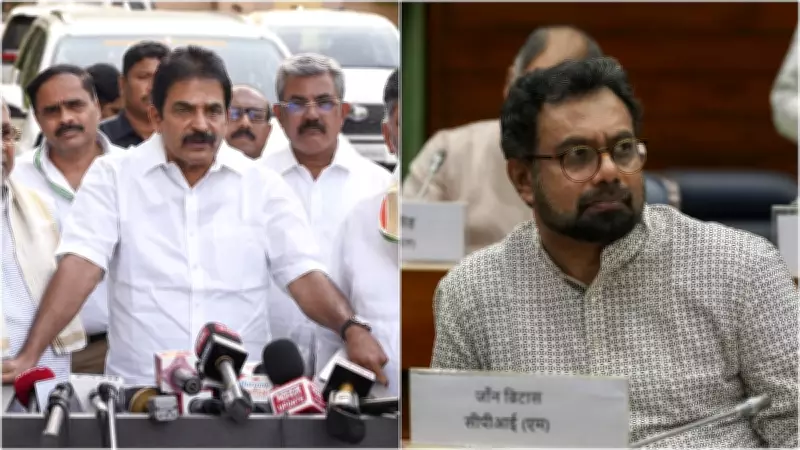
Congress and CPI(M) leaders oppose FCRA amendments
Congress MP K C Venugopal and CPI(M) MP John Brittas have separately appealed to the Narendra Modi government to withdraw the Foreign Contribution (Regulation) Amendment Rules 2026. Venugopal wrote to Prime Minister Narendra Modi, while Brittas sent a letter to Home Minister Amit Shah, expressing strong opposition to the new rules that tighten restrictions on NGOs receiving foreign funds.
Venugopal: Rules designed to strangulate NGOs
In his letter to PM Modi, Venugopal argued that the amendments are not intended to regulate but to strangulate civil society organisations. He called for the immediate withdrawal of the rules, stating that they impose excessive compliance burdens and threaten the functioning of thousands of NGOs across India. The Congress leader emphasised that the new provisions undermine the autonomy of non-profits and hinder their ability to serve communities.
Brittas: Disturbs balance between oversight and autonomy
John Brittas, in his communication to Home Minister Amit Shah, highlighted that the new rules further disturb the already delicate balance between legitimate regulatory oversight and the institutional autonomy of civil society. He urged the government to reconsider the amendments, warning that they could cripple grassroots organisations working on health, education, and rural development. Brittas also noted that the rules could lead to a reduction in foreign contributions, impacting critical social projects.

Key provisions of FCRA Amendment Rules 2026
The Foreign Contribution (Regulation) Amendment Rules 2026 introduce stricter norms for NGOs, including mandatory Aadhaar-based verification of key functionaries, enhanced reporting requirements, and tighter caps on administrative expenses. Critics argue that these measures are designed to curb dissent and silence organisations critical of government policies. The rules also require NGOs to open designated bank accounts in a specified branch of a nationalised bank, adding to operational hurdles.
Impact on civil society
The amendments have drawn widespread criticism from civil society groups, who claim they will severely restrict the flow of foreign funds to legitimate organisations. According to data from the Ministry of Home Affairs, over 20,000 NGOs were deregistered under the FCRA in the past five years. The new rules could further reduce the number of active NGOs, affecting millions of beneficiaries who rely on their services. Venugopal and Brittas have both stressed that the government should engage in dialogue with stakeholders before implementing such drastic changes.
Political reactions
The opposition has united against the FCRA amendments, with several parties calling for a parliamentary debate. Congress leader Rahul Gandhi also criticised the rules on social media, accusing the government of targeting NGOs to stifle dissent. The CPI(M) has announced plans to raise the issue in the upcoming Parliament session. Meanwhile, the government has defended the amendments, stating that they are necessary to ensure transparency and prevent misuse of foreign funds for anti-national activities.






