

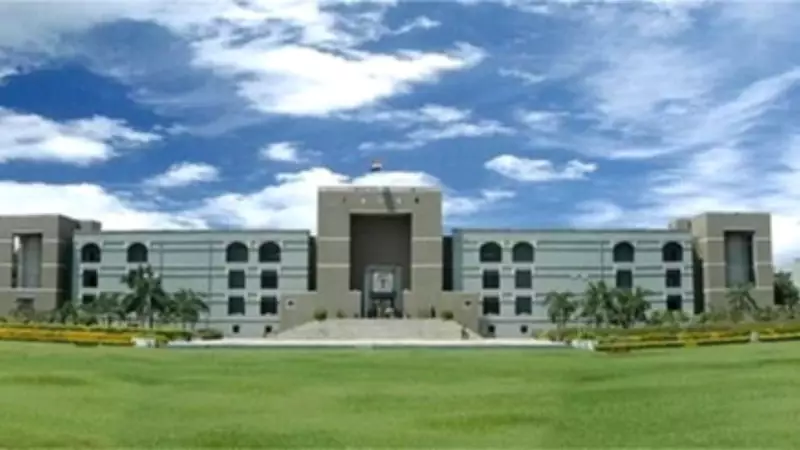
High Court Orders Timely Decision on Remission Plea
The Gujarat High Court has directed the state government to decide within six months on the remission plea of Mohammad Ashgar Ali, the convict in the 2003 murder of former Gujarat home minister Haren Pandya. The court's order came on a petition filed by Ali seeking a speedy resolution of his plea.
Background of the Case
Mohammad Ashgar Ali, a shooter from Hyderabad, was arrested a few days after Pandya was shot dead on March 26, 2003, in Ahmedabad. Pandya, a prominent Bharatiya Janata Party (BJP) leader, had served as the state's home minister. Ali was convicted and sentenced to life imprisonment for his role in the assassination.
Details of the Court Order
The division bench of the Gujarat High Court, while hearing Ali's petition, observed that the remission plea had been pending for a considerable period. The court directed the state government to consider and dispose of the plea within six months, ensuring a fair and transparent process. According to court records, Ali has been in custody for over two decades.

Legal Implications and Next Steps
The order is seen as a significant development in the long-pending case. Legal experts note that the direction sets a precedent for timely disposal of remission pleas. The state government will now review Ali's plea based on factors such as conduct in prison and the nature of the crime. A spokesperson for the Gujarat government stated, "We will comply with the court's order and take a decision within the stipulated time frame."
Impact on the Convict and the Justice System
For Ali, the decision brings hope for possible release after more than 23 years of imprisonment. The case highlights the challenges in the criminal justice system regarding the processing of remission applications. Human rights advocates have welcomed the court's intervention, emphasizing the need for humane treatment of long-term convicts.






