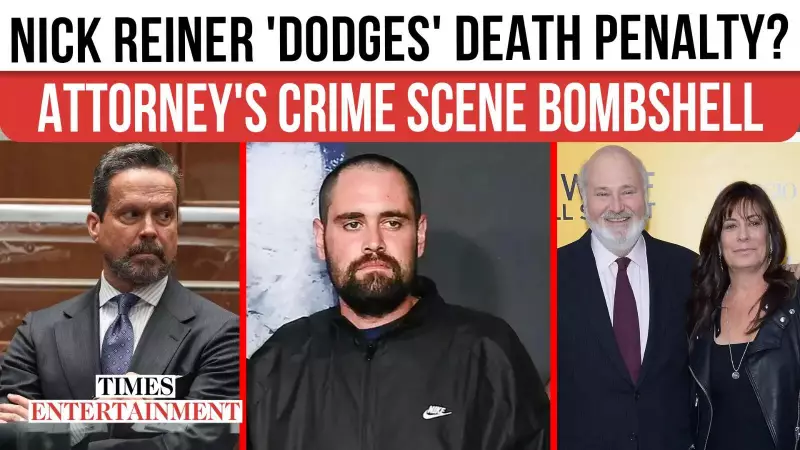
In a shocking development that has gripped Hollywood and the legal world, new details are emerging about the defense strategy for Nick Reiner. He stands accused of the brutal murders of his parents, famed director Rob Reiner and photographer Michele Singer Reiner. A key move by his high-profile attorney, Alan Jackson, and the potential role of mental illness are now central to understanding how this tragic case might conclude.
Defense Attorney's Pivotal Crime Scene Visit
Legal experts are closely analysing a critical step taken by defense lawyer Alan Jackson. Just days after the double homicide was discovered, Jackson hurriedly returned to the Reiner family home. This was not a casual visit. For a seasoned attorney representing a client facing the most serious charges, this early access to the crime scene is a calculated tactical decision.
Such a visit allows a defense team to gather first-hand impressions before evidence is altered or removed. They can assess lighting, spatial relationships, and potential inconsistencies in the prosecution's narrative. This move suggests Jackson is building a defense that may challenge the circumstances of the crime or the evidence collection process itself. It underscores the high-stakes nature of a case where the defendant could face life imprisonment or even the death penalty.

The Death Penalty Question and Mental Illness
Perhaps the most significant revelation from legal analysts concerns the ultimate punishment. There is growing speculation that Los Angeles prosecutors may decide not to seek the death penalty for Nick Reiner. This is a monumental decision in a case involving such violent parricide.
The primary factor driving this potential prosecutorial restraint is the indication of mental illness. In California, as in many jurisdictions, a defendant's severe mental health condition at the time of the crime is a powerful mitigating factor. Juries are often reluctant to impose a death sentence on individuals with documented psychiatric disorders, even for heinous acts. The defense is expected to heavily pursue this angle, possibly arguing that Reiner was not in a rational state of mind during the alleged killings.
Case Status and Broader Implications
Nick Reiner's situation remains precarious. He has recently been removed from suicide watch, indicating authorities believe the immediate risk of self-harm has passed. However, he still faces the prospect of life behind bars. The case has sent ripples through the entertainment community, with some reports suggesting other celebrity families are viewing it with heightened concern for their own troubled children.
The coming months will see Alan Jackson's crime scene analysis translate into a formal defense strategy. Simultaneously, the prosecution must weigh the brutal facts of the crime against the complicating factor of mental health. The outcome will hinge on whether the state believes it can secure a death penalty conviction before a jury that will undoubtedly hear a compelling narrative of psychological breakdown.
This case transcends a celebrity tragedy. It is becoming a legal study in how the American justice system navigates the intersection of violent crime, family dynamics, mental illness, and the ultimate punishment. The world will be watching as the defense built from that early crime scene visit unfolds in court.