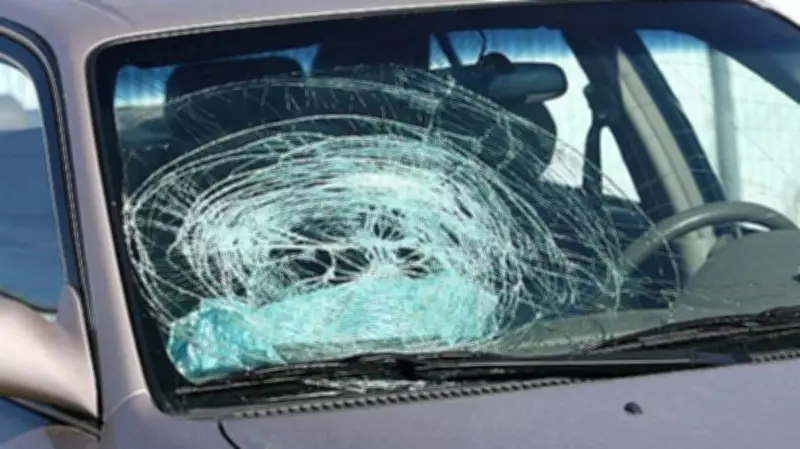
Supreme Court Clears Car Driver of Contributory Negligence
The Supreme Court of India has ruled that a car driver who collided with an unmarked stationary truck on a national highway at night cannot be held contributorily negligent. The judgment, delivered in June, underscores the duty of vehicle owners and drivers to ensure road safety, particularly when leaving heavy vehicles on public roads during low-visibility hours.
Case Background
The case arose from an accident on a national highway where a car driver, traveling at a reasonable speed, rammed into a truck that was parked without any reflective markers, hazard lights, or warning signs. The truck had been left stationary on the road during the night, creating a hazard for oncoming traffic. The driver of the car sustained severe injuries and later sought compensation, but the insurance company argued contributory negligence, claiming the driver should have seen the truck and avoided the collision.
Supreme Court’s Reasoning
A bench of Justices dismissed the plea of contributory negligence, stating that the primary responsibility lies with the owner of the stationary vehicle to ensure it is visible to other road users. The court noted that under Rule 15 of the Motor Vehicles Act, 1988, and related safety guidelines, a vehicle parked on a road at night must display proper lighting and warning signs. The absence of such measures constitutes a clear violation of duty.

“The driver of a moving vehicle cannot be expected to anticipate an unmarked stationary object on a highway, especially at night. The truck owner’s failure to comply with basic safety norms amounts to negligence that supersedes any alleged carelessness on the part of the car driver,” the bench observed.
Impact on Road Safety Norms
The judgment reinforces the legal principle that the party creating a hazard bears greater liability. Legal experts say this ruling will compel truck owners and fleet operators to strictly adhere to parking regulations, including the use of reflective tapes, hazard lights, and cones. According to the Ministry of Road Transport and Highways, over 1.5 lakh road accidents occur annually due to stationary vehicles on highways, many of which lack proper markings.
The court also directed the insurance company to pay full compensation to the injured car driver, holding that no deduction for contributory negligence was justified. The amount of compensation was not specified in the ruling but is to be calculated based on the driver’s income and injuries.
Reactions and Precedents
The ruling has been welcomed by road safety advocates. “This sets a strong precedent that vehicle owners cannot escape liability by blaming victims. Road infrastructure and compliance are critical,” said a spokesperson for the Save Life Foundation. Previous Supreme Court judgments, such as in Parminder Singh v. New India Assurance Co. Ltd., have similarly held that contributory negligence must be proven with clear evidence of the driver’s fault.
The case also highlights the need for better enforcement of safety rules for heavy vehicles. The court suggested that transport authorities should conduct regular checks to ensure trucks parked on highways are properly illuminated, especially at night and during foggy conditions.