

Odisha Tourists Stranded in Dubai Return Home Safely After Airspace Closure
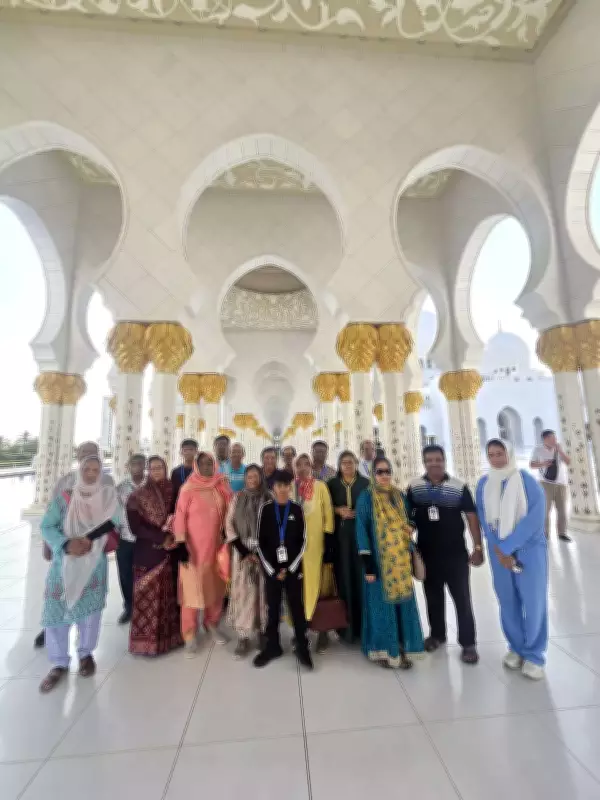
A group of 24 tourists from Odisha, including 22 from the silk city of Berhampur, have returned home safely after being stranded in Dubai for four days due to the closure of airspace following regional air strikes. The tourists, who arrived back on Saturday night, brought immense relief to their anxious families who had been worried about their safety.
Journey Interrupted by Regional Conflict
The tourists from eight families, mostly senior citizens, had embarked on a six-day visit to Gulf countries on February 25 and were scheduled to return on March 2. However, their plans were disrupted when airspace closures prevented their scheduled flight from departing. "We left from the war-torn country on Friday night through a special charter flight and landed in Mumbai the day after. We reached Berhampur via Bhubaneswar on Saturday night safely," said K Sibaji Rao, a 70-year-old member of the group.
Rao explained that because Dubai airport had closed following the regional flare-up, their special flight had to depart from Ras Al Khaimah instead. The retired Central government employee, who visited Dubai for the first time with his wife, returned with what he described as a "bitter experience." "Though we have not seen any missile attack in our localities, we felt insecure and uncertain," he shared, reflecting the anxiety that permeated their extended stay.

Mixed Experiences in a Tense Environment
Other members of the group reported varying experiences during their unexpected extension in Dubai. Laxmi Narayan Patnaik, a 68-year-old retired lecturer who traveled with his wife Harapriya, a retired principal, mentioned hearing sounds and seeing smoke some kilometers away from their hostel. "Though the situation in Dubai is normal, we were very tense due to frequent sirens and closure of the airports," the couple explained, capturing the contradictory nature of their experience.
Despite the underlying tension, some aspects of daily life continued normally. "Despite reports of the attack and counter attacks on television, the situation in Dubai was normal. Markets were open, traffic was usual. It did not feel like a war zone," Patnaik noted. He added that amid the conflict, the group even visited Abu Dhabi by road on March 4, finding that city to be normal as well. However, upon their return from Abu Dhabi, they received an alert message about the escalating situation.
Community Support Proved Crucial
The stranded tourists received significant assistance from the Odia community settled in Dubai during their difficult situation. "While we were stranded in the hostel, Odia people settled in Dubai extended their helping hand and coordinated with the embassy for our safe return and offered food," Rao recounted gratefully. He specifically mentioned that before boarding their special flight, an Odia man in Dubai arranged to cook for the entire group.
Members of Emirates Odia Parivar (EOP) in the United Arab Emirates played a particularly important role in facilitating the travelers' return. After being informed about the stranded tourists by the Indian People's Forum (IPF), EOP members visited them at their hotel on March 6 to assess their needs and provide both medicines and moral support. The organization ultimately arranged the travel of all 24 stranded Odias from Ras Al Khaimah to Mumbai on Friday night via the special charter flight.
Relief and Reflection Upon Return
The travelers expressed profound gratitude for their safe return to India. "We thank God to bring us back to our country," said Mohani, another member of the group, echoing the sentiment shared by all the returning tourists. Their experience highlights both the vulnerabilities of international travel during regional conflicts and the importance of community networks in providing support during emergencies abroad.
The incident serves as a reminder of how quickly travel plans can be disrupted by geopolitical events and how crucial coordination between community organizations, embassies, and local supporters can be in ensuring the safety of citizens abroad during unexpected crises.






