

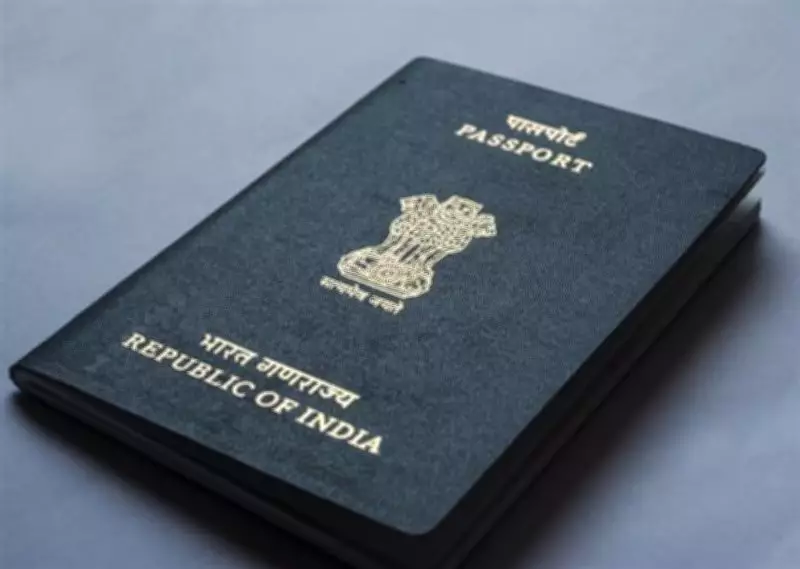
Election Commission officials on Thursday confirmed that Indian passports continue to be among the 12 valid supporting documents required by voters to prove their eligibility to be on the voters' list under the ongoing special intensive revision (SIR) of electoral rolls. This clarification comes in response to a controversy sparked by the Ministry of External Affairs (MEA) stating that a passport is not proof of citizenship, citing the Passport Act of 1967.
Passport Not Proof of Citizenship, Says Government
Government sources have emphasized that a passport has never been considered proof of citizenship, and there has been no new policy change implemented by the Modi government in the past 12 years regarding this document. During the Bihar SIR, Assam's special revision, and subsequent phases of poll roll revision, passports have consistently been listed as one of the 12 documents that individuals can submit when applying to register or maintain their status on the electoral rolls.
EC Officials Clarify No Change in Policy
“Passport was and continues to be one of the documents to establish identity,” an official said, underlining that “there is no change.” The electoral registration officer examines one of the indicative documents to decide whether a person is eligible to be on the voters’ list. The list of 12 valid documents includes passports, driving licenses, Aadhaar cards, and other government-issued IDs.

Background of the Controversy
The controversy arose after the MEA stated that a passport is not proof of citizenship, referencing the Passport Act of 1967. This statement led to confusion among voters about whether passports could be used for voter registration. However, EC officials have now clarified that passports remain a valid document for establishing identity in the context of electoral roll revision.






