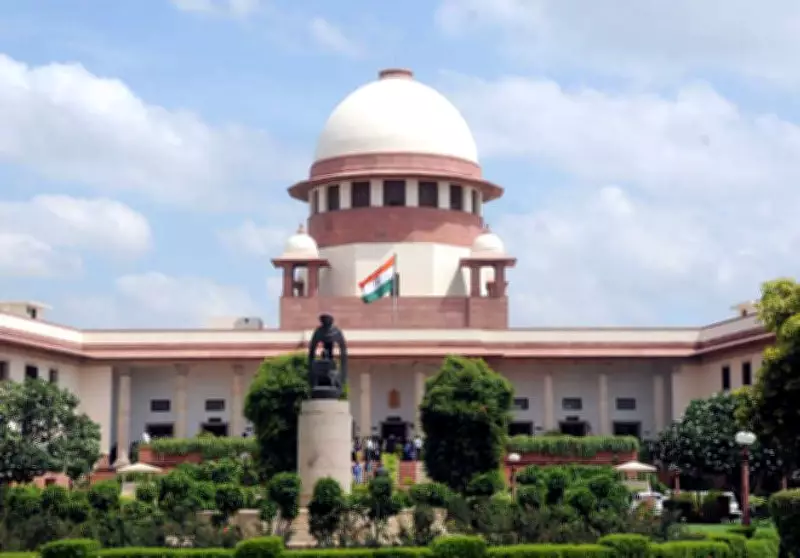
The Supreme Court of India has advocated for the establishment of a 'Young Lawyers' Professional Assistance Fund' to address the financial challenges that compel talented young advocates to abandon the legal profession, a phenomenon it described as 'brain drain'. The apex court also highlighted the difficulties encountered by women lawyers, emphasizing the need for basic infrastructure to ensure their comfort, privacy, safety, and professional effectiveness within court premises.
Notice Issued to Centre and States
A bench comprising Chief Justice Surya Kant and Justice V Mohana issued notices to the central government, all states, and Union Territories, seeking their responses to a petition that underscores the financial struggles faced by young lawyers during their early years of practice. The petition, filed by a group of women advocates, also raised concerns about the accessibility, inclusiveness, and long-term sustainability of women in the legal profession.
Financial Hardships of Young Lawyers
The bench noted that the issue of financial challenges is gender-neutral and warrants serious consideration. It observed that a first-generation lawyer entering the Bar does not immediately have access to an office, a library, a stable clientele, or a predictable income. During the formative period, many junior advocates depend on modest stipends from seniors or local Bar associations, which are often insufficient to cover basic living expenses. The lack of a steady stream of clients and limited remuneration create extreme financial hardship.

Impact on the Legal Profession
The court expressed concern that this period of turmoil often forces capable and promising young lawyers to abandon practice, leading to a professional brain drain that diminishes the Bar's ability to attract and retain talented individuals. This challenge is particularly acute for first-generation lawyers and those from economically and socially disadvantaged backgrounds.
Proposed Fund and Framework
The bench suggested that a Young Lawyers' Professional Assistance Fund should be created and placed under the exclusive control of the jurisdictional high courts or an autonomous body constituted by the Union of India in consultation with state governments. Such a framework would inspire greater confidence among prospective donors and contributors.
Sources of Funding
Regarding funding, the court recommended that stakeholders consider enacting a law to provide a structured mechanism for donations and contributions by successful senior advocates and other experienced lawyers. Additionally, the Centre and states should contribute a portion of court fees collected by the judiciary to the fund. Courts could also divert a substantial part of costs imposed in judicial proceedings to the fund. To encourage donations, the proposed law might offer incentives such as tax exemptions, national awards, or other honors.
Utilization of the Fund
The fund should provide a reasonable monthly stipend-cum-honorarium to young advocates who are first-generation lawyers or from disadvantaged backgrounds during their formative years. Beneficiaries would be attached to experienced Bar members as associates, rendering professional services in exchange for the stipend. The financial assistance should ensure basic sustenance for the first three years of practice, with proportional reduction over time, ending after seven years. The court also suggested examining a mechanism where beneficiaries contribute back to the fund through monthly installments later in their careers, creating a self-sustaining corpus for future generations.
Next Hearing and Assistance
The bench posted the matter for hearing on July 17 and requested Attorney General R Venkataramani, advocate generals for all states, and standing counsel for UTs to remain present and assist the court. The court emphasized that its observations are tentative and illustrative, aimed at enabling stakeholders to submit their proposals.