

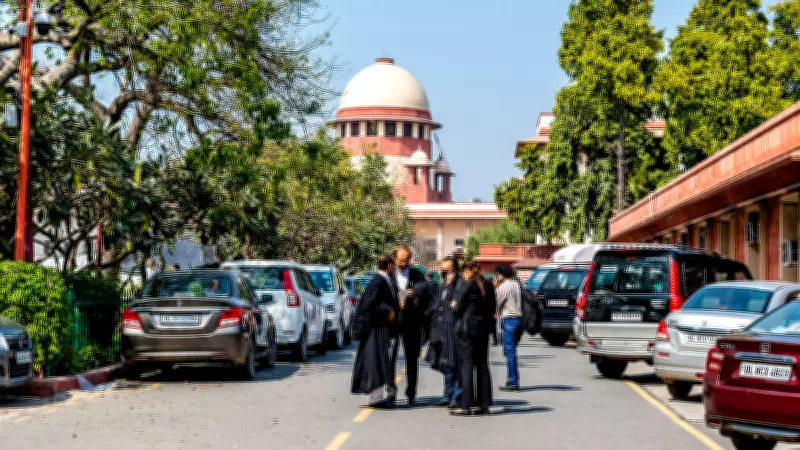
Supreme Court Seeks Centre, BCI Responses on National Digital Registry for Lawyers
The Supreme Court has issued notices to the central government and the Bar Council of India (BCI) regarding a petition that demands the creation of a national digital registry for advocates. The plea, filed by the Bar Association of India (BAI), also seeks directives for the BCI to formulate a social media and digital conduct code for legal professionals under Section 49 of the Advocates Act, 1961.
A bench comprising Chief Justice of India and Justice [Name] heard the matter on Thursday. The court directed the respondents to file their responses within four weeks. The next hearing is scheduled for August.
The BAI argued that the absence of a centralized digital database hampers the verification of lawyer credentials and facilitates impersonation. It further contended that a comprehensive code of conduct for online behavior is necessary to maintain the dignity of the legal profession in the digital age.

The petition highlights instances where advocates have been found misusing social media platforms, leading to contempt of court and damage to the profession's reputation. The proposed code would set guidelines for ethical online communication, including restrictions on sharing confidential case information and making derogatory remarks about judges or opposing counsel.
The Centre and BCI have been asked to clarify their positions on the feasibility and implementation timeline of the digital registry. The BCI, in its earlier submissions, had expressed support for the registry but cited logistical challenges in compiling data from all state bar councils.
Senior advocate [Name], representing the BAI, argued that the registry would also help in streamlining the process of issuing digital identity cards and verifying lawyers for court appearances. The court observed that the matter involves significant policy considerations and requested detailed affidavits from the authorities.
The case is being closely watched by legal fraternities across the country, as it could lead to a major overhaul in how lawyers are regulated and identified in India.






