AI Summit in India Erupts into Political Controversy
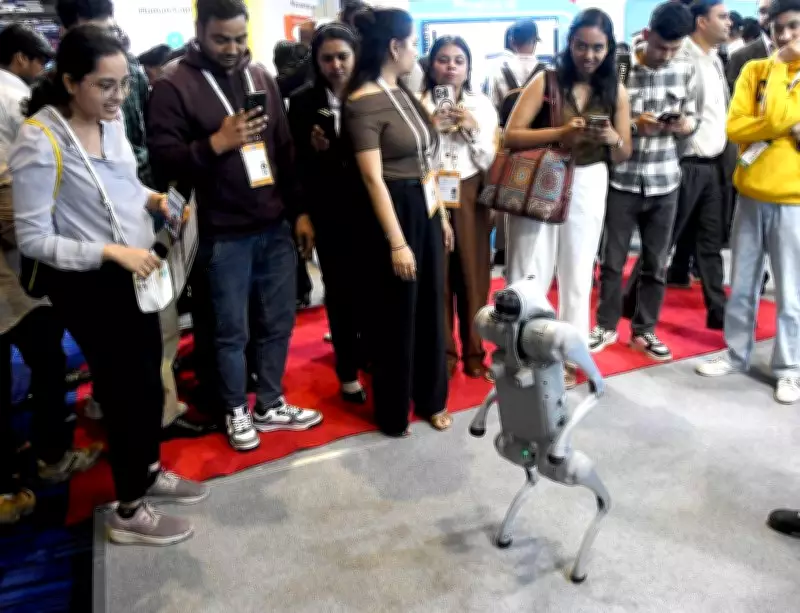
The recent artificial intelligence summit held in India has unexpectedly transformed into a major political flashpoint, drawing sharp criticism from the opposition Congress party. The controversy centers on the participation of a Chinese robot at the event, with Congress leaders launching a direct attack on the Centre, accusing it of compromising national security and highlighting policy inconsistencies.
Congress Accusations and Security Concerns
In a strongly worded statement, Congress representatives alleged that the inclusion of the Chinese robot at the AI summit exposed significant vulnerabilities in India's technological and security frameworks. They argued that this incident reflects a broader failure by the Centre to implement robust safeguards against potential espionage or data breaches linked to foreign technology, particularly from geopolitical rivals like China.
The opposition party demanded immediate explanations from the government, questioning the due diligence processes that allowed the robot's participation. They emphasized that such events, intended to showcase India's advancements in AI, should not become platforms for showcasing foreign technology that could pose risks to national interests.

Centre's Response and Broader Implications
While the Centre has not issued an official response to these allegations at the time of reporting, sources indicate that the government is reviewing the matter internally. This row underscores the growing politicization of technology and innovation in India, where events like AI summits are increasingly scrutinized through a geopolitical lens.
The controversy also highlights the delicate balance India must maintain in fostering international collaboration in cutting-edge fields while safeguarding its strategic autonomy. As AI becomes a critical domain for economic and military competitiveness, such incidents are likely to fuel ongoing debates about foreign involvement in sensitive sectors.
Key points from the incident include:
- Congress targeting the Centre over perceived security lapses.
- Allegations of inadequate vetting for foreign technology at high-profile events.
- Potential impact on India's AI diplomacy and international partnerships.
- Calls for stricter protocols to prevent similar occurrences in the future.
This political row is expected to resonate in parliamentary discussions and could influence policy-making around technology imports and cybersecurity. As India positions itself as a global leader in AI, managing such controversies will be crucial for maintaining public trust and international credibility.