Mumbai MLA Advocates for AI to Tackle Road Digging and Utility Disruptions
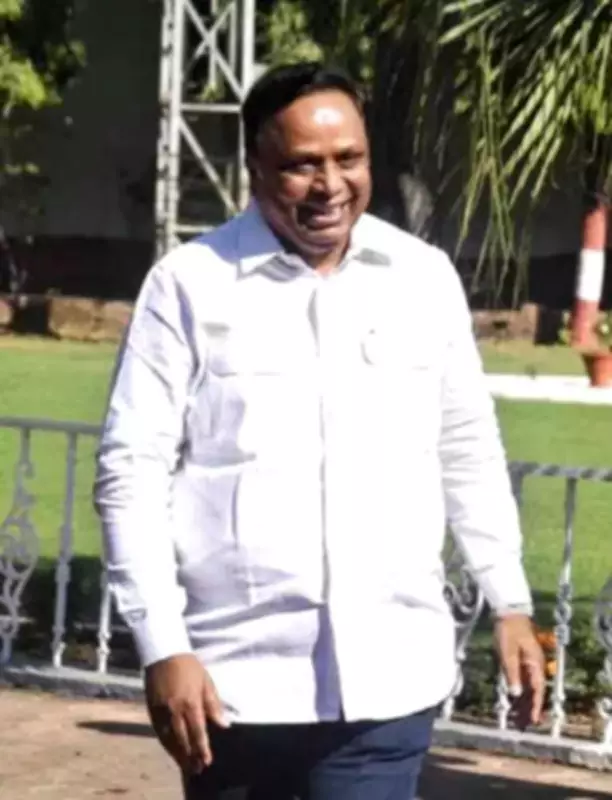
In a bid to address the persistent issue of frequent road digging and disruptions to critical utility services, local BJP MLA and guardian minister Ashish Shelar has proposed the development of an artificial intelligence (AI)-driven system. During a meeting held by the Brihanmumbai Municipal Corporation's (BMC) roads department at the H-West ward office, Shelar emphasized the need for technology to anticipate and manage such situations more efficiently.
Enhancing Coordination and Reducing Inconvenience
Shelar highlighted recent instances where utility lines, including gas, electricity, and water, were disrupted due to road works. He stated, "There were two recent instances of utility lines disrupted. Hence, it was felt that technology could be used to improve the time taken to resolve such issues." The proposed AI system would facilitate inter-agency coordination, thereby minimizing repeated road digging and ensuring faster resolution of citizens' complaints. This initiative aims to streamline operations and reduce the inconvenience faced by Mumbai residents.
Progress on Road Concreting Works
Currently, the BMC is undertaking extensive road concreting works across various parts of the city, with a deadline set for May 31, just before the monsoon season arrives. Shelar reviewed the progress in the H-West ward, which encompasses areas like Bandra, Khar, and Santacruz. Out of 306 roads in the ward, 192 major roads have been identified for cement-concrete works, executed in three phases.

- Work on 168 roads under the first two phases is currently underway.
- The remaining 24 roads will be addressed in the third phase.
- So far, 68 roads have been completed, while several others are expected to continue post-monsoon.
To minimize disruption, especially on high-traffic roads, Shelar directed officials to implement day-wise planning. Acknowledging the inconvenience caused to residents, he apologized but assured that by May 31, concreting work on 75 roads would be completed, moving the locality closer to becoming pothole-free.
Future Implications and Civic Improvements
The integration of AI into urban governance could mark a significant step forward in managing Mumbai's infrastructure challenges. By predicting potential disruptions and optimizing repair schedules, the system aims to enhance public safety and service reliability. This move aligns with broader efforts to leverage technology for smarter city management, potentially setting a precedent for other metropolitan areas facing similar issues.