Mock Drills Underway for Amarnath Yatra 2026
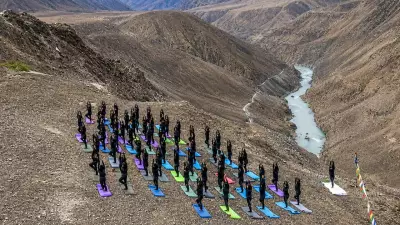
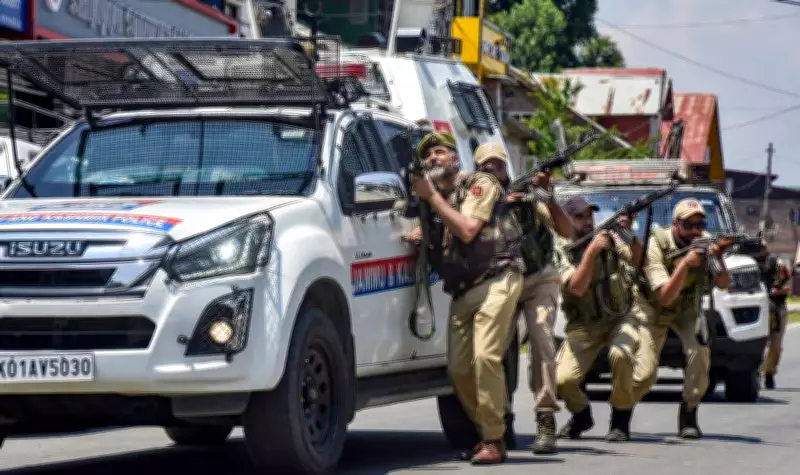
Security and disaster response agencies conducted comprehensive mock drills on Saturday to evaluate preparedness for the upcoming Amarnath Yatra. The drills involved personnel from the National Disaster Response Force (NDRF), State Disaster Response Force (SDRF), Jammu and Kashmir Police, and other agencies. The government has declared all routes to the holy cave shrine a 'no-fly zone' to ensure airspace security during the pilgrimage period.
Drill Locations and Scenarios
The mock exercises were held at multiple locations along the traditional Baltal and Pahalgam routes, as well as at the base camps in Jammu. Scenarios simulated included medical emergencies, natural disasters, and security threats. According to a senior official from the NDRF, the drills focused on rapid evacuation, medical triage, and coordination between different response teams. The official stated, "Our aim is to ensure zero casualties and seamless response in any adverse situation."
Security Measures and No-Fly Zone
The declaration of a no-fly zone over the yatra routes is a significant step to prevent aerial threats. This measure, enforced by the Indian Air Force and civil aviation authorities, prohibits unauthorized drones and aircraft. The decision follows intelligence inputs regarding potential security risks. The mock drills also tested the effectiveness of surveillance systems and communication networks along the 52-kilometer route.

Previous Year's Statistics and Improvements
Last year, over 3.5 lakh pilgrims visited the shrine. This year, authorities expect a similar or higher number. Based on past incidents, the drills emphasized landslide response and high-altitude medical care. The J&K Police stated that over 10,000 security personnel will be deployed along the routes, with additional forces on standby.
Coordination Among Agencies
The mock drills involved joint command exercises between the Army, CRPF, and local police. A spokesperson for the J&K administration said, "All agencies have been directed to maintain the highest level of alertness. The drills help identify gaps and improve inter-agency coordination." The NDRF teams also practiced using advanced equipment like satellite phones and portable oxygen cylinders.
Impact on Pilgrims and Local Economy
The yatra, scheduled to begin next month, is a major religious event and economic driver for the region. Local businesses rely on the influx of pilgrims. The drills aim to ensure a safe environment to maintain tourist confidence. The administration has also set up control rooms in Jammu and Srinagar for real-time monitoring.