

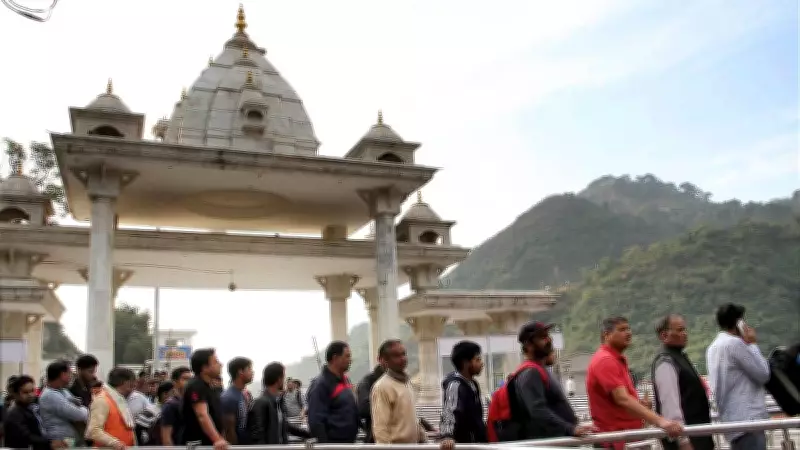
As Ayodhya faces increasing scrutiny over its donation management, the Shri Mata Vaishno Devi Shrine Board stands as a beacon of efficient and transparent administration. For nearly four decades, this board has been hailed as one of the most successful experiments in managing a major religious institution.
The Vaishno Devi Model
The Vaishno Devi Shrine Board, established in 1986, has set benchmarks in pilgrimage management, donor trust, and financial accountability. Its practices include clear accounting, regular audits, and public disclosure of funds. The board has also invested heavily in infrastructure, ensuring a seamless experience for millions of devotees annually.
Lessons for Ayodhya
Ayodhya, now home to the grand Ram Temple, is under the spotlight regarding donation transparency. Experts suggest adopting the Vaishno Devi model could address concerns. Key lessons include:

- Transparent Financial Reporting: Regular publication of income and expenditure details.
- Independent Audits: Engaging third-party auditors to ensure accountability.
- Devotee-Centric Services: Using funds to improve facilities and reduce pilgrim hardships.
Challenges and Opportunities
While Ayodhya's scale and political sensitivity pose unique challenges, the Vaishno Devi model proves that religious institutions can combine faith with modern management. Adopting similar practices could enhance trust and ensure long-term sustainability.
As the debate continues, the Vaishno Devi Shrine Board's four-decade track record offers a roadmap for Ayodhya to navigate its donation management issues effectively.






