

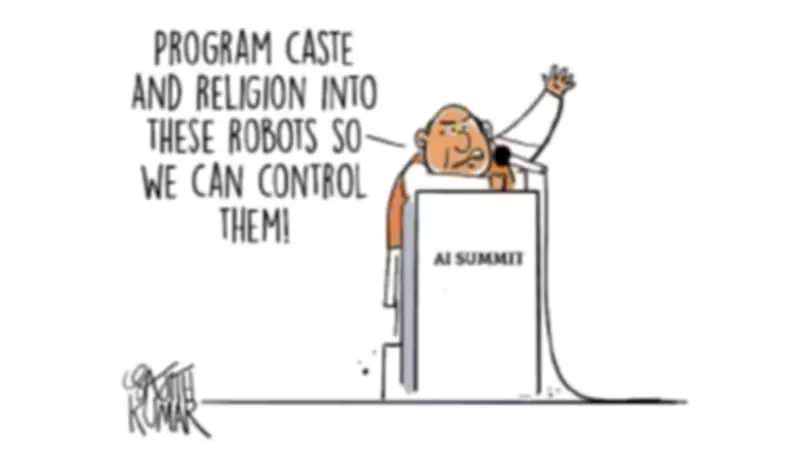
Political Cartoon Ignites Fierce Debate on Media Control and Government Power
A recent political cartoon published in a prominent national newspaper has sparked intense public discourse and controversy across India. The artwork, which depicts symbolic imagery related to government authority and media manipulation, has quickly gone viral on social media platforms, drawing reactions from journalists, politicians, and civil society groups.
Content and Symbolism of the Controversial Cartoon
The cartoon features visual metaphors that suggest governmental attempts to exert control over media outlets and information dissemination channels. While the specific artistic elements vary in interpretation, the central theme revolves around the delicate balance between state power and independent journalism. Critics argue the cartoon highlights growing concerns about press freedom erosion, while supporters see it as commentary on necessary regulatory frameworks.
Key elements observed in the cartoon include:

- Depictions of government figures or symbols in positions of authority over media representations
- Visual metaphors suggesting manipulation or restriction of information flow
- Symbolic representations of media organizations appearing constrained or influenced
- Artistic choices that imply tension between democratic ideals and practical governance
Reactions and Responses from Various Stakeholders
The publication has triggered diverse responses from different sectors of society. Media professionals and free speech advocates have expressed concern about what they perceive as increasing pressure on journalistic independence. Several press freedom organizations have issued statements analyzing the cartoon's implications for democratic discourse in India.
Meanwhile, government representatives and supporters have offered alternative interpretations, suggesting the cartoon might reflect legitimate regulatory measures rather than oppressive control. Some political commentators have noted that the controversy itself demonstrates the vibrant state of democratic debate in the country, where such critical expressions can still be published and discussed openly.
Broader Context: Media Regulation in Contemporary India
This incident occurs against a backdrop of ongoing discussions about media regulation, misinformation challenges, and the appropriate boundaries of government oversight. In recent years, India has witnessed several policy developments and legal cases touching on these issues, making the cartoon particularly resonant with current events.
The debate extends beyond simple binary positions, encompassing complex questions about:
- The balance between press freedom and social responsibility
- Government's role in combating misinformation while preserving free expression
- Economic pressures on media organizations and their impact on editorial independence
- Technological changes reshaping how information circulates in society
Historical Perspective on Political Cartoons in Indian Democracy
Political cartoons have long served as important social commentary in India's democratic tradition, often using satire and symbolism to critique power structures. This latest controversy continues that tradition while reflecting contemporary anxieties about media-government relations. The intensity of the response suggests these issues touch on fundamental questions about India's democratic health and the space for dissent in public discourse.
As the discussion continues to evolve, the cartoon has become more than just a piece of editorial art—it has transformed into a focal point for broader conversations about democracy, governance, and the fourth estate's role in modern India. The varied interpretations and passionate responses demonstrate how visual political commentary can crystallize complex societal debates in powerful, accessible ways.






