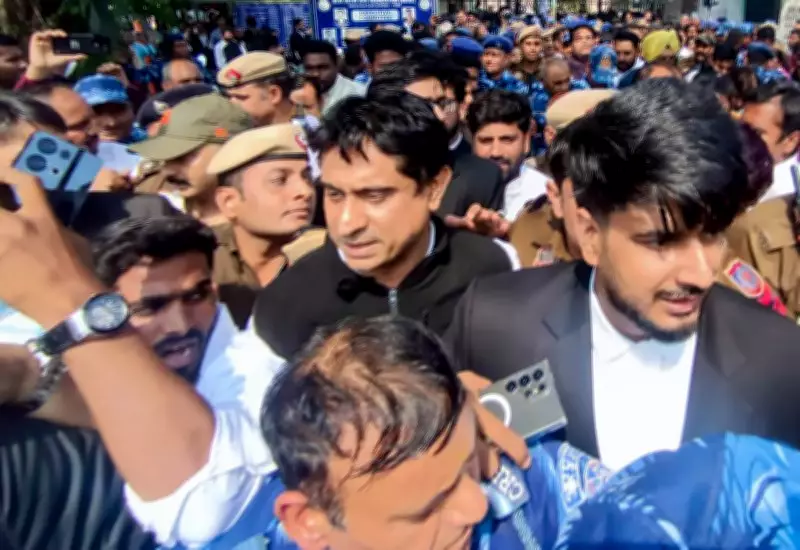
Delhi Court Grants Bail to Youth Congress Chief in AI Summit Protest Case
A Delhi court has granted bail to Uday Bhanu Chib, the president of the Indian Youth Congress, who was arrested for participating in a protest at an artificial intelligence (AI) summit in the national capital. The decision, delivered on Thursday, allows Chib to be released on a personal bond, marking a significant development in a case that has drawn attention to political demonstrations and legal proceedings in Delhi.
Details of the Arrest and Charges
Uday Bhanu Chib was taken into custody by Delhi Police earlier this week after he led a group of Youth Congress workers in a protest outside a high-profile AI summit venue. The demonstration was reportedly organized to voice concerns over government policies related to technology and employment. Authorities charged Chib with offenses including unlawful assembly, disobedience to public orders, and potentially more serious allegations under sections related to rioting or causing public disturbance.
During the court hearing, the prosecution argued that Chib's actions disrupted the summit and posed a threat to public order. However, the defense countered that the protest was peaceful and constitutionally protected, emphasizing Chib's role as a political leader exercising democratic rights.

Court's Rationale for Granting Bail
In its ruling, the Delhi court noted that the evidence presented did not substantiate the graver charges against Chib, such as those implying violence or significant harm. The judge highlighted that Chib has no prior criminal record and is not a flight risk, factors that weighed in favor of bail. The court imposed conditions for his release, including a requirement to cooperate with the investigation and refrain from participating in any unlawful activities while on bail.
Legal experts suggest this decision underscores the judiciary's cautious approach in balancing law enforcement with individual liberties, especially in cases involving political figures. The bail grant is seen as a temporary relief, with the trial expected to proceed in the coming months as police continue their probe into the protest incident.
Reactions and Implications
The bail has sparked mixed reactions from political circles. Supporters of the Youth Congress hailed the court's move as a victory for democratic expression, arguing that it reaffirms the right to peaceful protest. In contrast, critics have raised questions about the enforcement of public order laws during high-security events like the AI summit.
This case also brings to light broader issues surrounding protests in urban centers like Delhi, where authorities often grapple with managing demonstrations while ensuring safety and minimal disruption. The AI summit, which focused on advancements in technology and policy, became a flashpoint for political dissent, highlighting the intersection of governance, innovation, and civil liberties.
As Uday Bhanu Chib prepares to be released, the incident serves as a reminder of the ongoing tensions between activism and legal frameworks in India's capital. Observers will be watching closely as the legal process unfolds, with potential implications for future protest-related cases in the region.