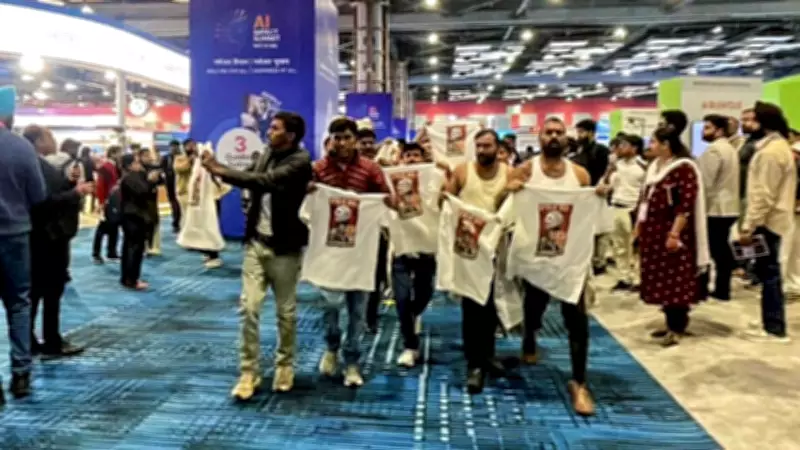
Court Orders 5-Day Police Custody for Arrested IYC Workers in Congress Protest Case
In a significant development, a court in Delhi has sent several Indian Youth Congress (IYC) workers to five-day police custody following their arrest during a protest organized by the Congress party. The decision came after Delhi Police presented their case, seeking custody to further investigate the incident.
Police Allegations and Custody Request
Delhi Police argued in court that the arrested protesters were involved in raising what they described as anti-national slogans during the event. Additionally, police officials highlighted that the workers were wearing T-shirts featuring objectionable images of Prime Minister Narendra Modi at the protest venue. Based on these allegations, the police requested a five-day custody period to conduct a thorough investigation into the matter.
Details of the Protest and Arrests
The protest, which has garnered national attention, was part of a larger demonstration by the Congress party. According to reports:

- The IYC workers were actively participating in the protest when they were detained by law enforcement.
- Authorities cited concerns over public order and potential violations of legal provisions related to sedition and defamation.
- The court considered the police's arguments before granting the custody, emphasizing the need for a detailed probe into the slogans and imagery used.
Legal and Political Implications
This case has sparked debates on freedom of expression and the boundaries of political dissent in India. Legal experts note that such incidents often involve a delicate balance between:
- Upholding the right to protest as enshrined in the Constitution.
- Ensuring that protests do not cross into territory deemed unlawful or inflammatory.
The five-day custody period will allow police to gather evidence and potentially file additional charges, depending on their findings. Political analysts suggest that this event could influence upcoming political strategies and public discourse.
Background and Context
The protest is part of ongoing political tensions between the Congress party and the ruling government. Similar incidents in the past have led to legal battles and public scrutiny. The use of imagery and slogans targeting political figures has become a contentious issue, with both sides accusing each other of overstepping legal and ethical lines.
As the investigation proceeds, further updates are expected regarding the charges and any potential legal actions against the arrested individuals. The case underscores the complex interplay between politics, law, and civil liberties in contemporary India.