

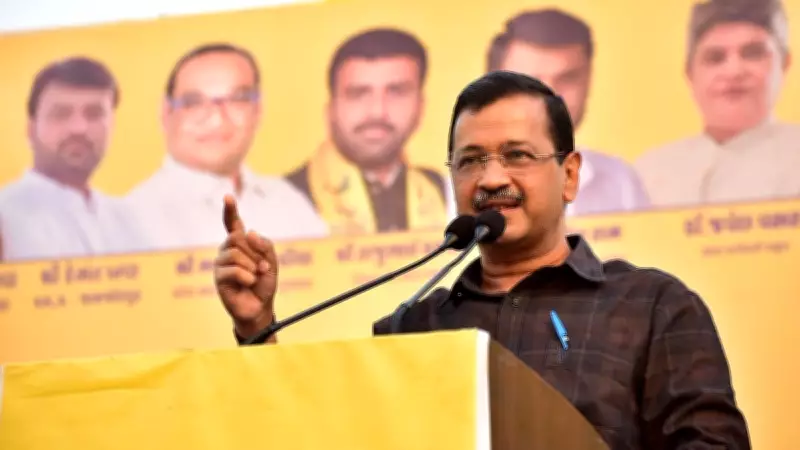
Delhi Assembly Denies Kejriwal's Live Streaming Request for Privileges Committee
The Delhi Assembly has formally declined a request from Chief Minister Arvind Kejriwal to allow live streaming of the Privileges Committee proceedings. This decision was communicated through an official letter, which highlighted the committee chairperson's surprise at Kejriwal's proposal.
Surprise Over Kejriwal's Ignorance Cited
In the letter, the Assembly noted that the Privileges Committee chairperson expressed astonishment at Kejriwal's "ignorance in this matter". This reaction stems from Kejriwal's extensive experience as a member of the assembly for over a decade, during which he has attended multiple sittings of the Privilege Committee. The implication is that his familiarity with parliamentary procedures should have precluded such a request.
The denial underscores ongoing tensions within Delhi's political landscape, where procedural norms and transparency issues frequently come to the forefront. Kejriwal, known for advocating governmental openness, has previously pushed for greater public access to legislative processes.

Background and Implications
Arvind Kejriwal, who has served as Delhi's Chief Minister since 2015 and has been an assembly member since 2013, has a history of engaging with parliamentary committees. His request for live streaming aimed to enhance transparency, but the Assembly's response suggests it may conflict with established protocols or privacy concerns inherent in committee deliberations.
The Privileges Committee typically handles matters related to breaches of parliamentary privileges, which can involve sensitive discussions. The Assembly's decision reflects a cautious approach to maintaining the integrity and confidentiality of such proceedings, despite growing calls for digital accessibility in governance.
This incident adds to a series of disputes between Kejriwal's administration and the Delhi Assembly, highlighting broader debates over:
- Transparency versus procedural norms
- The role of technology in parliamentary functions
- Political dynamics within state legislatures
As of March 2026, the matter remains unresolved, with no indication of further appeals or modifications to the Assembly's stance. Observers note that this could influence future interactions between executive and legislative branches in Delhi, potentially setting precedents for how similar requests are handled nationwide.






