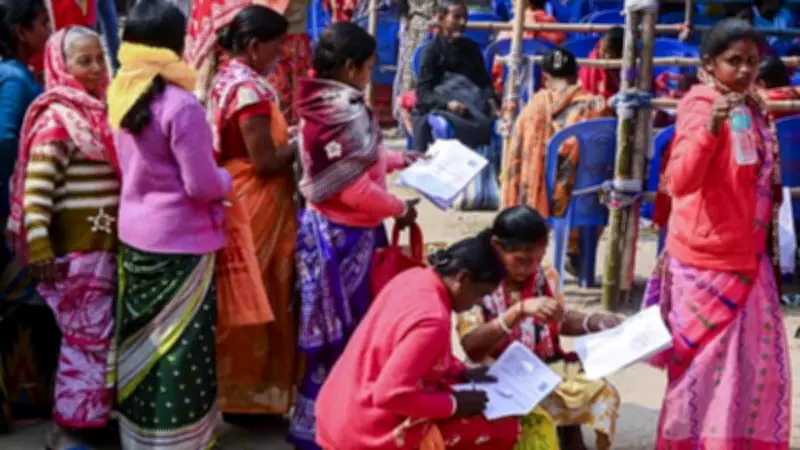
Election Commission Directs Special Intensive Revision Across 22 States and Union Territories
The Election Commission of India has officially announced the implementation of the Special Intensive Revision (SIR) process in the remaining 22 states and Union Territories. This directive aims to enhance electoral preparedness and ensure the accuracy of voter lists ahead of potential elections.
Urgent Preparatory Work Ordered by EC Secretary
In a recent communication, EC Secretary Pawan Diwan emphasized the urgency of this initiative. He issued a letter to Chief Electoral Officers (CEOs) across the affected regions, instructing them to complete all preparatory work related to SIR at the earliest. This move underscores the Commission's commitment to maintaining robust electoral integrity and streamlining administrative processes.
Scope and Impact of the SIR Initiative
The Special Intensive Revision is a critical exercise designed to update and verify voter registrations, address discrepancies, and incorporate new eligible voters into the electoral rolls. By extending this process to 22 states and UTs, the Election Commission seeks to cover all remaining areas that have not yet undergone this revision, thereby ensuring nationwide consistency and readiness.

Key aspects of the SIR include:
- Comprehensive verification of existing voter data
- Inclusion of new voters who have attained eligibility
- Correction of errors in voter identification details
- Coordination with local authorities to facilitate smooth implementation
Timeline and Execution Strategy
While specific deadlines were not disclosed in the announcement, the directive to complete work at the earliest indicates a prioritized timeline. The CEOs are expected to mobilize resources and personnel swiftly to adhere to this mandate, with potential implications for upcoming electoral schedules at both state and national levels.
This proactive measure by the Election Commission reflects ongoing efforts to strengthen democratic processes in India, aligning with broader goals of transparency and efficiency in governance.