

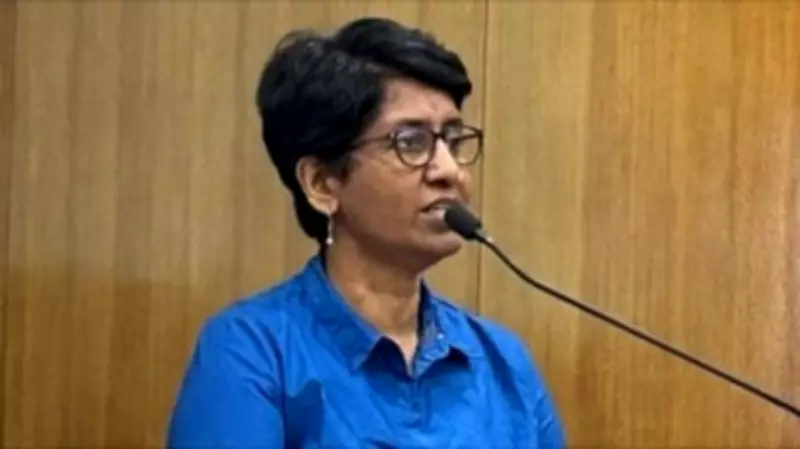
Filmmaker Asha Achy Joseph Criticizes Police Delay in FIR Against Ex-Kerala MLA
Filmmaker Asha Achy Joseph, who previously submitted a sexual assault petition against former left-front MLA P T Kunju Muhammed, has now publicly voiced her concerns. She has flagged significant delays in the registration of a First Information Report (FIR) by the police in this high-profile case.
Public Outcry Over Justice Delays
In a recent development, Asha Achy Joseph has come out openly to criticize the authorities for what she describes as an unacceptable delay in taking formal action. The filmmaker's petition alleges sexual assault by the ex-MLA, and her public statements have drawn attention to the procedural lapses in the legal process.
This case has sparked widespread debate in Kerala, with many questioning the efficiency and responsiveness of law enforcement agencies in handling such sensitive matters. The delay in registering the FIR is seen as a critical issue that could impact the pursuit of justice and accountability.

Background of the Allegations
Asha Achy Joseph initially filed her petition against P T Kunju Muhammed, a former MLA from the left-front, detailing allegations of sexual assault. Despite her efforts, the process has been marred by bureaucratic hurdles, leading to her public outcry.
The filmmaker's decision to speak out underscores growing frustrations among victims seeking legal recourse, especially in cases involving influential political figures. Her actions highlight the challenges faced by individuals in navigating the judicial system.
Implications for Kerala's Legal Framework
This incident raises important questions about the handling of sexual assault cases in Kerala. Key points include:
- The need for timely FIR registration to ensure evidence preservation and victim protection.
- Concerns over potential biases or delays when dealing with high-profile accused individuals.
- The role of public pressure in expediting legal processes and ensuring transparency.
As the story develops, it remains to be seen how the authorities will respond to these criticisms and whether swift action will be taken to address the allegations. The case is being closely watched by activists and the general public alike, as it could set a precedent for future handling of similar incidents in the state.






