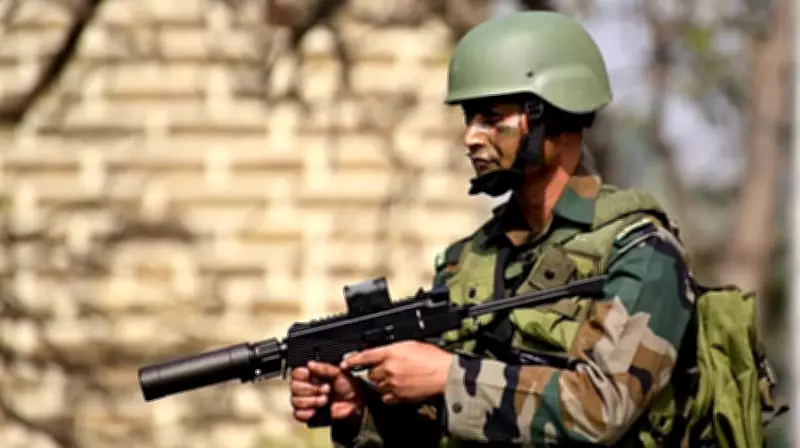
India's Prahaar Policy: A Zero-Tolerance Counter-Terrorism Strategy
India has introduced its first comprehensive counter-terrorism policy, named Prahaar, which embodies a strict zero-tolerance approach to terrorist activities. This groundbreaking strategy is centered on intelligence-guided operations and coordinated efforts across multiple agencies, aiming to enhance national security and prevent threats proactively.
Intelligence-Led Operations at the Core
The Prahaar policy prioritizes intelligence as the foundation for all counter-terrorism actions. By leveraging advanced surveillance technologies and data analytics, security forces can identify and neutralize threats before they materialize. This shift towards preemptive measures marks a significant evolution from reactive responses, ensuring a more robust defense against terrorism.
Multi-Agency Coordination for Enhanced Effectiveness
A key feature of the Prahaar playbook is the seamless coordination among various agencies, including law enforcement, intelligence bodies, and military units. This integrated approach facilitates real-time information sharing and joint operations, eliminating silos that previously hindered counter-terrorism efforts. The policy mandates regular drills and simulations to optimize inter-agency collaboration.

Zero-Tolerance Framework and Its Implications
The zero-tolerance stance of the Prahaar policy means that any terrorist activity will be met with swift and decisive action. This includes stringent legal measures, enhanced border security, and international cooperation to combat cross-border terrorism. The policy also emphasizes community engagement to build trust and gather grassroots intelligence, fostering a collective responsibility in the fight against terrorism.
As India implements this new strategy, experts anticipate a reduction in terrorist incidents and an overall strengthening of the nation's security apparatus. The Prahaar policy sets a precedent for other countries grappling with similar threats, showcasing India's commitment to safeguarding its citizens and maintaining peace.