

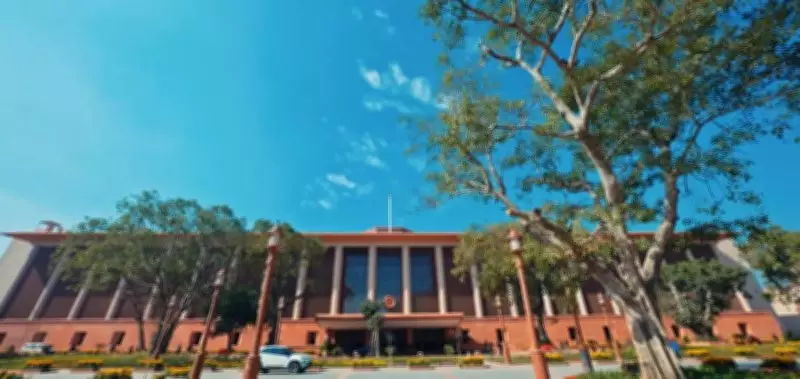
Ancient Karnataka Temple Architecture Inspires Design of Prime Minister Modi's New Office
In a move that highlights the fusion of India's rich cultural heritage with contemporary governance, Prime Minister Narendra Modi's new office in Delhi has been designed with inspiration drawn from ancient Karnataka temple architecture. This architectural choice reflects a deep appreciation for traditional Indian aesthetics, aiming to create a workspace that is both functional and symbolically resonant with the nation's historical roots.
Blending Tradition with Modernity
The design incorporates elements characteristic of Karnataka's historic temples, such as intricate carvings, symmetrical layouts, and the use of natural materials like stone and wood. These features are seamlessly integrated with modern amenities to ensure the office meets the demands of 21st-century administration. The goal is to foster an environment that promotes efficiency while paying homage to India's architectural legacy.
Key aspects of the design include:

- Symmetry and Proportion: Inspired by temple layouts, the office emphasizes balanced and harmonious spaces.
- Artistic Details: Subtle carvings and motifs reminiscent of Karnataka's temple art adorn the interiors.
- Sustainable Materials: Use of locally sourced stone and wood to echo traditional construction methods.
Symbolic Significance and Cultural Impact
This architectural inspiration is not merely aesthetic; it carries symbolic weight. By incorporating elements from Karnataka's temples, the design underscores the importance of India's diverse cultural traditions in shaping national identity. It also aligns with broader initiatives to promote indigenous art and architecture in public spaces.
The new office is expected to serve as a model for future government buildings, encouraging a blend of heritage and innovation. This approach has been praised by cultural experts and architects for its potential to revive interest in traditional design principles.
Reactions and Future Implications
Reactions to the design have been largely positive, with many applauding the effort to integrate historical elements into modern infrastructure. Critics, however, have raised questions about the practicality and cost of such detailed architectural work. Despite this, the project is seen as a step towards reimagining how public buildings can reflect India's storied past.
Looking ahead, this initiative may inspire similar projects across the country, fostering a renewed appreciation for regional architectural styles in contemporary settings.






