Kejriwal and Sisodia Discharged in Delhi Excise Policy Case
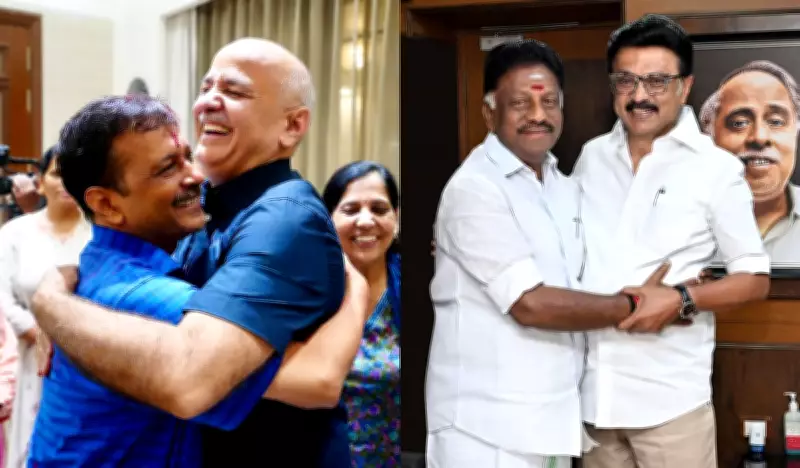
In a significant legal development, Delhi Chief Minister Arvind Kejriwal and former Deputy Chief Minister Manish Sisodia have been discharged in the high-profile Delhi excise policy case. The decision marks a pivotal moment in the ongoing investigations that have gripped political circles for months.
Details of the Court's Ruling
The court's discharge order comes after extensive hearings and scrutiny of evidence presented by the prosecution. Legal experts suggest that this ruling could have far-reaching implications for the political landscape in Delhi and beyond. The excise policy case has been a contentious issue, with allegations of irregularities in the formulation and implementation of the liquor policy in the national capital.
Both Kejriwal and Sisodia have maintained their innocence throughout the proceedings, claiming the case was politically motivated. The discharge is expected to bolster their positions within the Aam Aadmi Party (AAP) and provide a respite from the legal battles that have overshadowed governance efforts.

O. Panneerselvam Joins Arch-Rival DMK in Tamil Nadu
In a surprising political maneuver, former Tamil Nadu Chief Minister O. Panneerselvam, popularly known as OPS, has officially joined the Dravida Munnetra Kazhagam (DMK). This move signals a major realignment in Tamil Nadu politics, as Panneerselvam was previously a key figure in the All India Anna Dravida Munnetra Kazhagam (AIADMK), the DMK's long-standing rival.
Implications for Tamil Nadu's Political Dynamics
Panneerselvam's decision to switch sides is seen as a strategic shift that could alter the balance of power in the state. Political analysts note that this development may weaken the AIADMK's position while strengthening the DMK's hold ahead of upcoming elections. The move has sparked discussions about potential alliances and the future trajectory of regional politics in Tamil Nadu.
Observers highlight that Panneerselvam's experience and influence could bring valuable insights and support to the DMK, potentially reshaping voter perceptions and party strategies. This realignment underscores the fluid nature of political loyalties and the evolving dynamics in one of India's most politically active states.
Broader Context and Reactions
These developments come at a time when Indian politics is witnessing significant shifts at both national and regional levels. The discharge of Kejriwal and Sisodia is likely to reignite debates on judicial processes and political accountability, while Panneerselvam's move highlights the ongoing realignments in state politics.
Reactions from various political parties have been mixed, with supporters celebrating the legal relief for AAP leaders and critics questioning the implications for governance. Similarly, responses to Panneerselvam's joining the DMK range from approval within the DMK ranks to criticism from former AIADMK allies.
As these stories unfold, they are expected to influence political narratives and strategies in the coming months, with potential impacts on electoral outcomes and policy directions.