

Rahul Gandhi Cites Ex-Army Chief Naravane's Memoir on Chinese Tank Movement: What Really Happened?
Congress leader Rahul Gandhi has stirred a fresh political controversy by referencing a memoir from former Indian Army Chief General M.M. Naravane. The memoir details critical insights into Chinese tank movements during the tense border standoff between India and China in 2020. This revelation has reignited debates over national security and the government's handling of the situation along the Line of Actual Control (LAC).
Details from General Naravane's Memoir
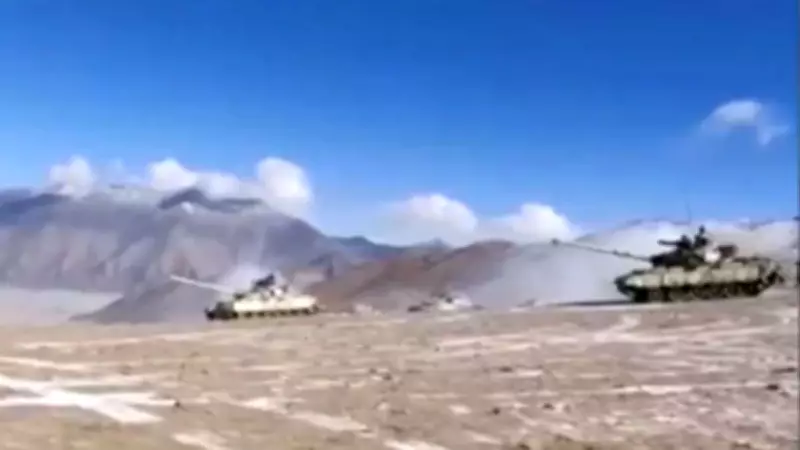
In his memoir, General Naravane provides a firsthand account of the military dynamics during the 2020 border tensions. He describes how Chinese forces deployed tanks in strategic locations, raising alarms within the Indian defense establishment. The memoir highlights the challenges faced by the Indian Army in monitoring and responding to these movements, given the rugged terrain and logistical constraints in the region.
General Naravane's account underscores the complexity of the standoff, which saw multiple skirmishes and a prolonged military buildup on both sides. His observations shed light on the tactical maneuvers employed by Chinese troops, including their use of armored vehicles to assert dominance in disputed areas.

Rahul Gandhi's Political Critique
Rahul Gandhi seized upon these details to criticize the current government's approach to border security. In a public statement, he emphasized that the memoir reveals gaps in India's preparedness and response mechanisms during the crisis. Gandhi argued that such disclosures from a former top military official warrant a thorough parliamentary discussion and accountability from the ruling administration.
"The revelations in General Naravane's book are alarming and demand immediate attention," Gandhi stated. "They expose the vulnerabilities in our border defense strategy and call into question the government's claims of robust handling of the China situation."
Government and Defense Reactions
In response, government officials and defense experts have offered mixed reactions. Some have defended the government's actions, pointing to the successful disengagement agreements reached in subsequent years. They argue that the memoir reflects standard military assessments and does not imply any failure on India's part.
Others, however, acknowledge that the memoir provides valuable lessons for future border management. They stress the need for enhanced surveillance, better infrastructure, and diplomatic efforts to prevent similar escalations. The debate has also touched on broader issues of civil-military relations and the transparency of national security matters.
Historical Context of the 2020 Standoff
The 2020 India-China border standoff was one of the most serious military confrontations between the two nations in decades. It began with clashes in the Galwan Valley, resulting in casualties on both sides, and led to a massive troop buildup along the LAC. The standoff tested bilateral relations and highlighted the ongoing territorial disputes in the region.
General Naravane's memoir adds a new dimension to this history, offering an insider's perspective on the operational challenges. It complements existing reports and analyses, providing a deeper understanding of the events that shaped India's defense policy during that period.
Implications for India-China Relations
This development comes at a time when India and China are engaged in delicate diplomatic talks to normalize relations. The reference to Chinese tank movements in a high-profile memoir could influence public perception and political discourse, potentially impacting future negotiations.
Experts suggest that while such disclosures might strain bilateral ties temporarily, they also underscore the importance of frank discussions and strategic clarity in managing the complex relationship. The episode highlights the need for continuous dialogue and confidence-building measures to ensure stability along the border.

In conclusion, Rahul Gandhi's citation of General Naravane's memoir has brought renewed focus to the 2020 border standoff and its aftermath. As political debates unfold, the insights from the former Army Chief serve as a crucial reminder of the ongoing challenges in safeguarding India's territorial integrity and maintaining peace with its neighbors.





