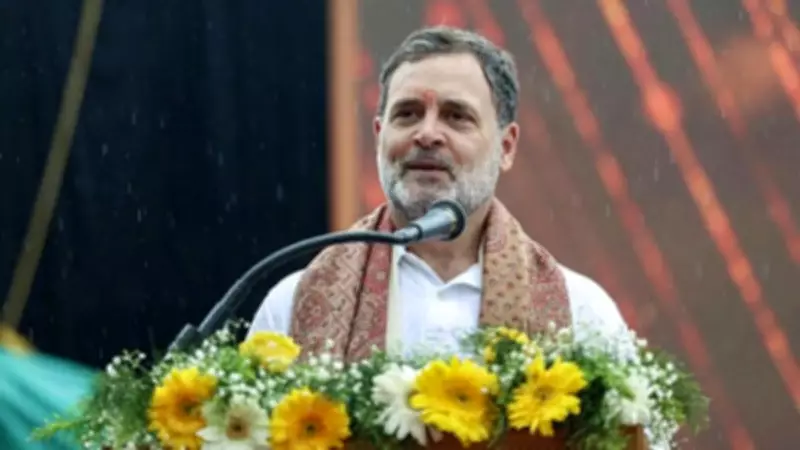
Rahul Gandhi Intensifies Criticism of India-US Trade Agreement
Congress leader Rahul Gandhi has escalated his political assault on the Narendra Modi government, focusing on the proposed India-US trade deal. In a recent statement, Gandhi asserted that the agreement will have severe repercussions for key sectors of the Indian economy, particularly agriculture and textiles.
Alleged Threats to Farmers and Textile Sector
Gandhi specifically warned that the trade pact could lead to significant hardships for Indian farmers. He argued that the terms might expose them to unfair competition from heavily subsidized American agricultural products, potentially undermining their livelihoods and market stability.
Furthermore, he highlighted concerns for the textile industry, a major employer in India. Gandhi suggested that the deal might favor US interests, putting domestic textile manufacturers at a disadvantage and risking job losses and reduced competitiveness in the global market.

Political Targeting of PM Modi
This critique is part of Gandhi's broader political strategy to challenge Prime Minister Modi's economic and foreign policies. By framing the trade deal as detrimental to common citizens and traditional industries, he aims to galvanize public opinion against the government ahead of upcoming political engagements.
The attack underscores ongoing tensions between the Congress party and the ruling BJP over trade and economic sovereignty. Gandhi's remarks reflect a narrative that portrays the Modi administration as prioritizing international agreements over domestic welfare.
Broader Implications for India-US Relations
While the India-US trade deal is intended to strengthen bilateral ties and boost economic cooperation, Gandhi's criticisms point to potential domestic dissent. His statements may influence public discourse on the balance between global integration and protecting local industries.
This development adds to the complex landscape of India's trade negotiations, where political opposition can shape policy debates and implementation strategies. The government has yet to issue a detailed response to these specific allegations.