Rahul Gandhi Accuses Trump of Using Epstein Files to Coerce PM Modi on Trade Deal
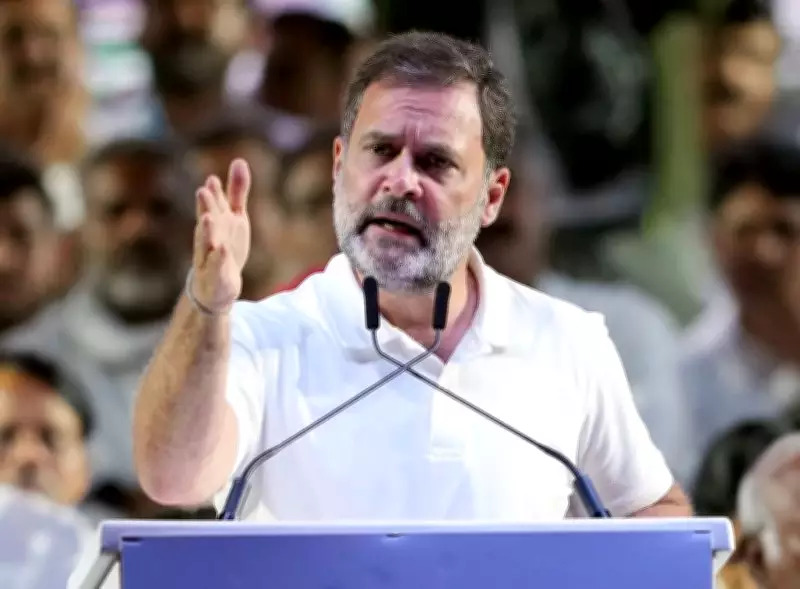
In a sensational political allegation, Congress leader Rahul Gandhi has claimed that former US President Donald Trump utilized files related to the late financier Jeffrey Epstein to threaten Prime Minister Narendra Modi into signing a trade agreement between India and the United States. This statement, made during a public address, has ignited a firestorm of debate and scrutiny across the Indian political landscape.
Details of the Allegation and Its Context
Rahul Gandhi asserted that Trump wielded the Epstein documents as a form of leverage to pressure PM Modi during trade negotiations. The Epstein case, involving allegations of sex trafficking and high-profile connections, has been a subject of global intrigue, and Gandhi's comments suggest it was exploited for diplomatic coercion. He did not provide specific evidence to substantiate this claim, but emphasized it as part of broader concerns about transparency and fairness in international dealings.
The trade deal in question refers to ongoing discussions between India and the US aimed at enhancing economic ties and reducing tariffs. Gandhi argued that such tactics undermine India's sovereignty and call into question the integrity of the negotiation process. His remarks come amid heightened political tensions in India, with the opposition frequently criticizing the government's foreign policy and economic strategies.

Political Reactions and Broader Implications
The allegation has drawn sharp reactions from various political quarters. Supporters of the ruling Bharatiya Janata Party (BJP) have dismissed Gandhi's claims as baseless and politically motivated, accusing him of spreading misinformation to tarnish the government's image. In contrast, opposition parties have called for a thorough investigation into the matter, highlighting the need for accountability in international relations.
This incident raises significant questions about the dynamics of global diplomacy and the potential for external pressures to influence domestic policies. Experts note that while trade negotiations often involve complex bargaining, allegations of coercion using sensitive files are unprecedented and could impact India-US relations if proven true. The US has not officially responded to these allegations, adding to the uncertainty surrounding the issue.
Historical Context and Ongoing Debates
The Jeffrey Epstein scandal has long been associated with powerful figures worldwide, and its mention in this context adds a layer of controversy to India's political discourse. Rahul Gandhi's statement taps into existing public skepticism about elite dealings and calls for greater scrutiny of how international agreements are forged.
As the story develops, it is likely to fuel further debates on national security, diplomatic ethics, and the role of opposition in holding the government accountable. The coming days may see increased demands for clarity from both Indian and US authorities, as citizens and policymakers alike seek to understand the veracity of these serious claims.