

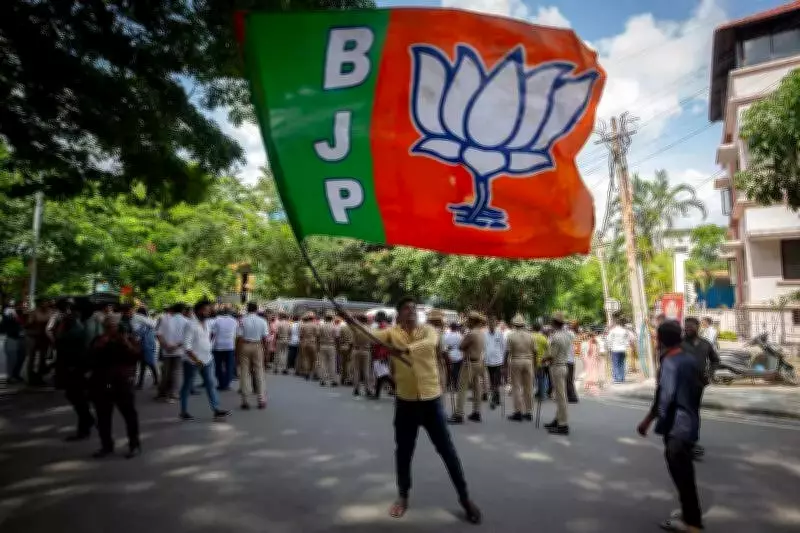
RSS and BJP Intensify Coordination Efforts Ahead of Uttar Pradesh Assembly Elections
With the Uttar Pradesh Assembly elections just one year away, the Rashtriya Swayamsevak Sangh (RSS) and the Bharatiya Janata Party (BJP) have initiated a series of strategic brainstorming sessions through coordination meetings. These high-level discussions aim to ensure seamless electoral operations and address potential challenges before the crucial polls.
Historical Context and Electoral Significance
These coordination meetings are not a new development, having been conducted regularly since 2018. They involve senior Uttar Pradesh BJP functionaries, including Chief Minister Yogi Adityanath, who has been a consistent participant. For the current election cycle, UP BJP chief Pankaj Chaudhary and BJP state organisation secretary Dharmpal have also joined these critical discussions.
The timing of these meetings has shown remarkable correlation with electoral success in the past. Similar sessions were held in 2018, preceding the 2019 Lok Sabha elections, and again in 2021, ahead of the 2022 UP Assembly elections. The BJP delivered impressive performances in both contests, securing 62 Lok Sabha seats in Uttar Pradesh during 2019 and winning 255 seats in the 2022 assembly elections.

Interestingly, such coordination meetings were notably absent before the 2024 Lok Sabha polls, where the party's seat tally in Uttar Pradesh dropped significantly from 62 to 33 seats. While this might be coincidental, political analysts are drawing connections between these strategic sessions and electoral outcomes.
Recent Meetings and Regional Focus
On Thursday, Chief Minister Yogi Adityanath, while attending a public event in Noida, participated in a coordination meeting with RSS functionaries in Ghaziabad. This marked the fourth prant-level (regional) coordination meeting of the year. The Chief Minister is scheduled to attend similar meetings for the Kanpur-Bundelkhand region and the Braj region in the coming days.
Before Thursday's West region coordination meeting, Yogi Adityanath had already attended sessions for the Goraksh, Kashi, and Awadh prants. An RSS insider revealed that these region-level meetings are being conducted after a gap of five years specifically for Uttar Pradesh elections, attributing the hiatus to various organizational reasons.
These meetings follow the RSS organizational structure of 'prant' or regional levels, with each region encompassing multiple districts. Political observers interpret these gatherings as concerted efforts by the Sangh to prevent a repeat of the BJP's underwhelming performance in the 2024 Lok Sabha elections within Uttar Pradesh.
Objectives and Strategic Importance
The primary objective behind these candid discussions is to bridge the gap between the government and citizens at the grassroots level. Additionally, they aim to ensure smooth coordination between government machinery and the BJP organization at lower administrative levels before elections commence.
These meetings serve another crucial purpose: they send a clear message that the RSS and its affiliated organizations, including the BJP, are operating in complete harmony. This unified front emphasizes that all resources must be directed toward securing electoral victory.
Direct Feedback Mechanism and Government Insights
Since these meetings involve office-bearers at regional levels, the feedback received by Chief Minister Yogi Adityanath as head of government comes directly from RSS office-bearers and regional BJP units. This information flow remains free from any potential censorship or filtration that might occur through bureaucratic channels or intermediate Sangh functionaries.
A senior RSS functionary explained the mutual benefits of these coordination meetings: "Such interactions help the government understand the prevailing situation at ground level, while prant-level office bearers gain direct insights into government perspectives regarding requirements and suggestions received at their level."

These meetings often extend from discussions among various ministers that are steered by the RSS to exchange suggestions and assess progress on Sangh agenda items at ministry levels. The current intensity of these sessions clearly indicates the paramount importance both organizations are placing on next year's Uttar Pradesh Assembly elections and their concerted efforts to secure a third consecutive term for the BJP government.
Future Schedule and Organizational Implications
The ongoing regional-level meetings are expected to conclude within three to four days. Following this, kshetriya pracharaks and prant pracharaks will proceed to attend the All India Pratinidhi Sabha meeting of the RSS in Haryana from March 13-15. This national gathering is anticipated to formalize organizational restructuring within the RSS, with potential impacts becoming more visible after the second annual meeting in October.
The strategic coordination between RSS and BJP represents a comprehensive approach to election preparation, combining grassroots feedback with high-level strategic planning to navigate the complex political landscape of Uttar Pradesh.





