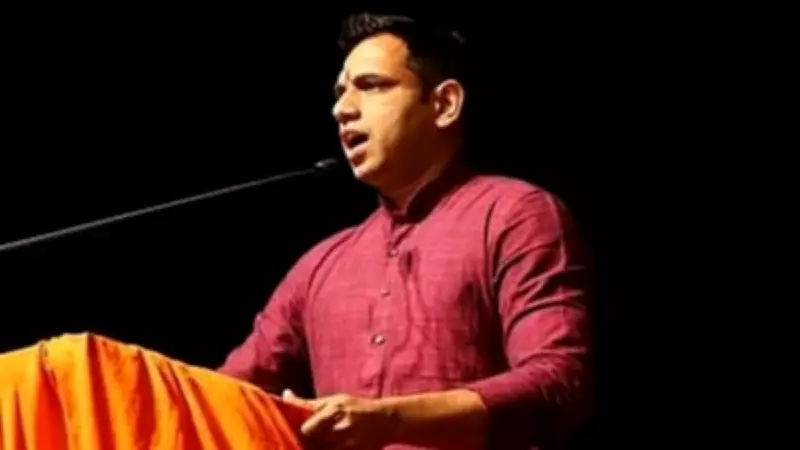
Satyaki Savarkar Moves Pune Court for Rahul Gandhi's Voice Samples in Defamation Case
In a significant legal development, Satyaki Savarkar has filed an application in a Pune court, formally requesting voice samples from Congress leader Rahul Gandhi. This move is part of an ongoing defamation case that has captured national attention, highlighting tensions in Indian political discourse.
Legal Proceedings Initiated by Lawyer Sangram Kolhatkar
The application was submitted on Tuesday by Satyaki Savarkar's legal representative, Sangram Kolhatkar. It was presented before Judicial Magistrate (First Class) A A Shinde, who presides over the MP/MLA Special Court in Pune. This step marks a crucial phase in the case, as voice samples could potentially serve as key evidence in determining the veracity of allegations made by both parties.
The defamation case centers on statements allegedly made by Rahul Gandhi that Satyaki Savarkar claims are damaging to his reputation and that of his family, including historical figure Veer Savarkar. By seeking voice samples, Savarkar's legal team aims to authenticate audio recordings that may be relevant to the proceedings, ensuring a thorough examination of the evidence.

Context and Implications of the Court Application
This legal action underscores the intensifying political and personal disputes within India's national landscape. Defamation cases involving high-profile figures like Rahul Gandhi often draw widespread media coverage and public scrutiny, reflecting broader societal debates over free speech and accountability.
The Pune court's decision on this application could set a precedent for how similar cases are handled in the future, particularly regarding the admissibility and analysis of voice evidence in defamation suits. Legal experts suggest that obtaining voice samples may involve technical procedures and could lead to further hearings, prolonging the judicial process.
As the case progresses, it is expected to attract continued interest from political analysts and the general public alike. The outcome may influence public perception and legal strategies in other defamation matters across the country.