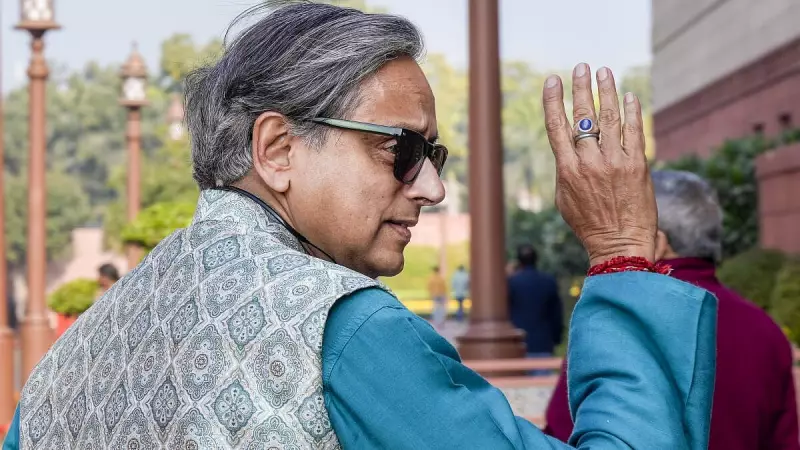
Shashi Tharoor to Take Up Party Concerns with Congress Leadership
Senior Congress leader and Member of Parliament, Shashi Tharoor, has openly acknowledged that he has certain issues with the party. In a significant statement, he emphasized his intention to address these matters directly with the party's top leadership. This development highlights the ongoing internal dynamics and discussions within the Indian National Congress as it navigates its political strategy and organizational cohesion.
Tharoor's Candid Admission of Internal Differences
Tharoor, known for his articulate and often forthright communication style, did not shy away from admitting that there are points of contention within the party framework. While he did not specify the exact nature of these issues, his willingness to bring them to the forefront signals a proactive approach to resolving internal disagreements. This move is seen as part of a broader effort to foster transparency and constructive dialogue within the Congress party, which has been grappling with various challenges in recent times.
The Context of Internal Party Dynamics
The statement comes at a time when the Congress party is engaged in intense deliberations over its future course, electoral strategies, and leadership roles. Internal discussions have been a recurring theme, with several party members expressing diverse viewpoints on key policies and organizational matters. Tharoor's decision to formally take up his concerns with the leadership underscores the importance of internal mechanisms for conflict resolution and consensus-building in a major political entity like the Congress.

Potential Implications for Party Unity and Strategy
By choosing to address his issues through established party channels, Tharoor aims to contribute to a more unified and effective political front. This approach could potentially strengthen internal democracy within the Congress, encouraging other members to voice their opinions in a structured manner. As the party prepares for upcoming electoral battles and policy formulations, such internal engagements are crucial for aligning goals and enhancing collective performance.
In summary, Shashi Tharoor's acknowledgment of party issues and his commitment to discussing them with the leadership reflects a mature and institutional approach to internal party management. It highlights the ongoing efforts within the Congress to address differences constructively, with an eye on maintaining party cohesion and advancing its political objectives in the competitive landscape of Indian politics.