Three Women from Northeast India Face Racial Abuse in Delhi
In a disturbing incident that has reignited concerns about racial discrimination in India, three women hailing from the Northeast region were subjected to severe racial abuse in the national capital, Delhi. The episode, which occurred recently, has drawn widespread condemnation and sparked calls for stronger action against such hate crimes.
Details of the Incident
The victims, all women from Northeast Indian states, were reportedly targeted in a public area of Delhi. According to initial reports, the abuse involved derogatory slurs and insults based on their ethnic appearance, a common form of discrimination faced by people from the Northeast in other parts of India. The women have filed a complaint with local authorities, who are investigating the matter under relevant sections of the Indian Penal Code pertaining to hate speech and assault.
Public and Official Reactions
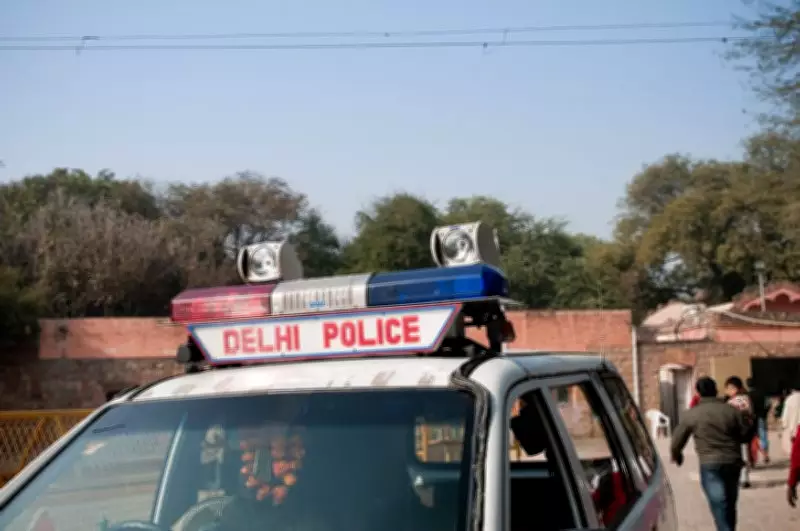
The incident has triggered a wave of outrage on social media and among civil society groups. Many have expressed solidarity with the victims and demanded swift justice. Activists from the Northeast community have long highlighted such cases, pointing to a pattern of racial profiling and abuse that often goes underreported or unaddressed. In response, Delhi police have assured that they are taking the complaint seriously and will pursue legal action against the perpetrators.

Legal Framework and Challenges
India has laws against racial discrimination, including provisions under the Indian Penal Code and the Scheduled Castes and Scheduled Tribes (Prevention of Atrocities) Act, though enforcement can be inconsistent. Experts note that incidents like this underscore the need for better awareness and stricter implementation of anti-discrimination measures. The case also raises questions about societal attitudes and the effectiveness of existing mechanisms to protect marginalized communities.
Broader Implications
This event is not isolated; it reflects a broader issue of racial prejudice against Northeast Indians in metropolitan areas. Similar cases have been reported in the past, leading to protests and demands for policy changes. The incident in Delhi serves as a stark reminder of the ongoing struggles faced by ethnic minorities in the country and the urgent need for comprehensive anti-racism initiatives.
As the investigation proceeds, the focus remains on ensuring justice for the victims and preventing future occurrences through education and legal reforms.