TMC's Satirical Retort to PM Modi's Open Letter to Bengal Voters
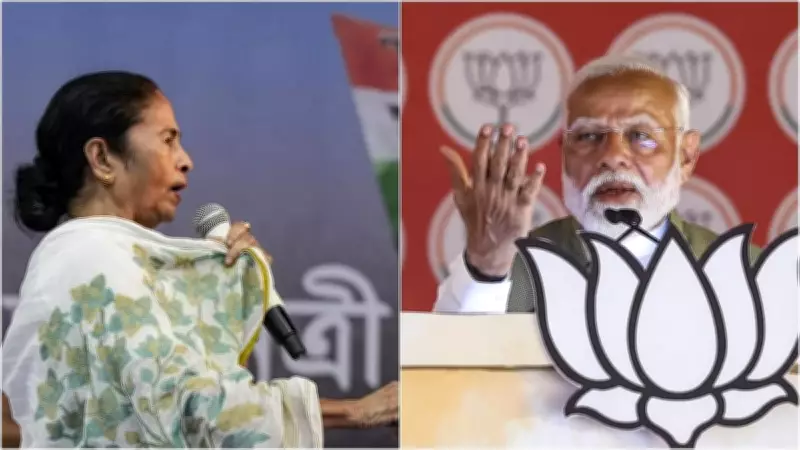
In a sharp political countermove, the All India Trinamool Congress (TMC) has issued a mock 'confession letter' attributed to Prime Minister Narendra Modi, directly rebutting his recent open letter addressed to the voters of West Bengal. This satirical post, shared on the party's official social media accounts, represents a bold and unconventional strategy in the ongoing political discourse.
The Content of the Controversial Post
Framed meticulously as if written by the Prime Minister himself, the TMC's post makes two primary allegations against the central government. Firstly, it accuses the Centre of deliberately withholding funds that are rightfully meant for the development and welfare of West Bengal. This claim taps into long-standing grievances regarding financial allocations and central-state relations.
Secondly, the post alleges a systematic targeting of Bengalis residing in states governed by the Bharatiya Janata Party (BJP). This accusation adds a layer of cultural and regional identity politics to the financial dispute, potentially resonating with Bengali voters who feel marginalized or discriminated against in other parts of the country.

Timing and Political Context
The TMC's response was published on February 26, 2026, precisely timed to counter PM Modi's original communication. By adopting a satirical tone, the opposition party aims to undermine the sincerity of the Prime Minister's message and highlight what they perceive as hypocrisy in the BJP's approach to West Bengal.
This exchange occurs within the broader context of intense political rivalry between the TMC, led by Mamata Banerjee, and the BJP, which has been striving to expand its influence in the eastern state. The use of social media platforms like Twitter, where the post was shared with the caption "Here’s the letter @narendramodi will never send you," demonstrates the modern, digital-first nature of contemporary political campaigning.
Potential Implications and Reactions
The mock confession letter is likely to spark significant debate and reactions from various political quarters. Supporters of the TMC may view it as a clever and justified critique of central policies, while BJP supporters could dismiss it as a disrespectful and misleading tactic. Independent analysts might see it as an example of how political communication is evolving, with satire and digital media playing increasingly prominent roles.
Key points to watch include:
- Public Response: How voters in West Bengal and beyond react to this satirical approach.
- BJP's Counter: Whether the BJP issues a formal response or chooses to ignore the post.
- Media Coverage: The extent to which traditional and digital media amplify this story.
- Impact on Campaigns: Potential effects on upcoming electoral strategies and narratives.
As political tensions continue to simmer, this episode underscores the high-stakes nature of the battle for West Bengal, where every communication, whether sincere or satirical, is scrutinized for its potential to sway public opinion.