

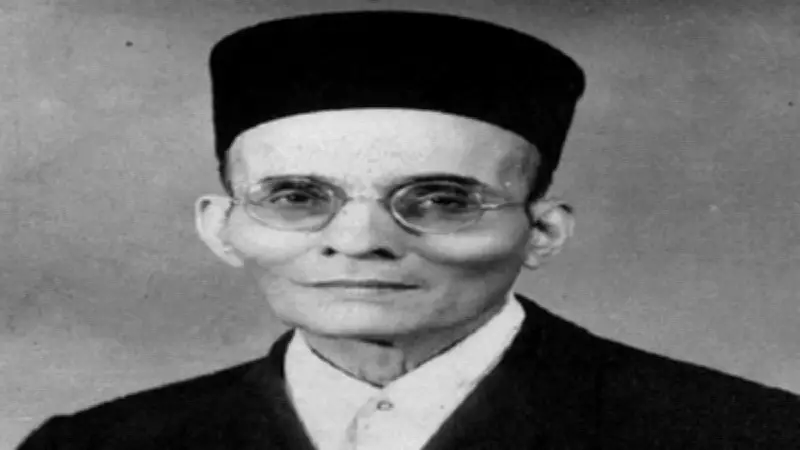
Veer Savarkar's Death Anniversary: Remembering the Multilingual Genius
As India observes the death anniversary of Vinayak Damodar Savarkar, popularly known as Veer Savarkar, his legacy as a freedom fighter, philosopher, and writer is widely celebrated. However, one of the most remarkable yet often overlooked aspects of his life is his extraordinary linguistic prowess. Savarkar was a true polyglot who could speak and write in over 10 languages, a feat that underscores his intellectual depth and dedication to learning.
The Linguistic Mastery of Veer Savarkar
Veer Savarkar's ability to master multiple languages was not just a hobby but a strategic tool in his fight for India's independence and his literary pursuits. He was fluent in languages from various families, including Indo-Aryan, Dravidian, and European tongues. This multilingualism allowed him to communicate with diverse groups, spread his revolutionary ideas, and engage with global intellectual currents.
According to historical records and biographical accounts, Savarkar could proficiently handle languages such as:

- Marathi: His mother tongue, in which he wrote extensively, including his famous works like "The First War of Indian Independence."
- Hindi: Used for nationalistic writings and speeches to reach a broader Indian audience.
- Sanskrit: Studied deeply, reflecting his interest in India's ancient heritage and philosophy.
- English: Mastered during his education and imprisonment, enabling him to write books and articles that gained international attention.
- Bengali: Learned to connect with revolutionaries in Bengal and understand their literature.
- Gujarati: Acquired to engage with communities in western India.
- Tamil: Studied to appreciate Dravidian culture and history.
- Telugu: Another Dravidian language he explored.
- French: Picked up during his time in Europe, particularly in Paris, where he was involved in revolutionary activities.
- Italian: Learned to access European political thought and literature.
- Persian: Studied for its historical significance in India and to read classical texts.
How Savarkar Acquired His Language Skills
Savarkar's journey to becoming a multilingual genius was driven by his insatiable curiosity and rigorous self-discipline. From a young age, he showed a keen interest in languages, often teaching himself through books and practice. His formal education in Pune and later in London exposed him to English and European languages, while his imprisonment in the Cellular Jail in Andaman provided him with the solitude to delve into Sanskrit and other Indian languages.
He believed that language was a key to understanding culture and history, and he used his skills to translate works, write original literature, and foster unity among Indians. For instance, his translation of Giuseppe Mazzini's biography into Marathi inspired many in the independence movement.
The Impact of His Multilingualism
Veer Savarkar's command over multiple languages had a profound impact on his contributions to India's freedom struggle and intellectual landscape. It allowed him to:

- Spread Revolutionary Ideas: By writing and speaking in various languages, he could reach different regional audiences, making his message of Hindutva and independence more accessible.
- Engage with Global Thinkers: His knowledge of European languages enabled him to study and critique Western philosophies, enriching his own ideological framework.
- Preserve Cultural Heritage: Through his works in Sanskrit and regional languages, he helped revive interest in India's ancient traditions.
- Foster National Unity: By learning languages from across India, he demonstrated a commitment to understanding the country's diversity, which he saw as integral to national strength.
On this death anniversary, as we reflect on Veer Savarkar's life, his multilingualism stands as a testament to his genius and dedication. It reminds us that beyond his political and social roles, he was a scholar whose linguistic abilities bridged gaps between cultures and eras. In today's globalized world, his example inspires us to value language learning as a means of connection and enlightenment.





