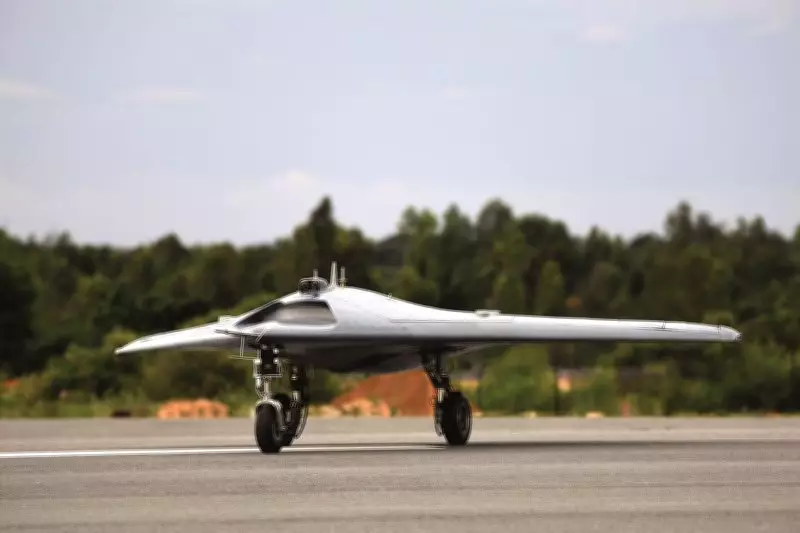
The Indian Army has established specialised battalions, named 'Baaz' (meaning hawk), to operate long-range drones for surveillance and attack missions. This initiative is part of the army's post-Operation Sindoor transformation and aligns with the 'Decade of Transformation' announced by outgoing Army Chief General Upendra Dwivedi. The 'Baaz' battalions will be placed under the Army Aviation Corps and are distinct from the 'Ashini drone platoons' integrated into infantry battalions for tactical immediate-vicinity surveillance. They also differ from the 'Divyastra batteries' of the Artillery regiment, which deploy loitering ammunition or one-way drones.
Centralised Drone Ecosystem Management
The 'Baaz' battalions are designed to centralise growing drone capabilities, handling the entire lifecycle of operations including deployment, maintenance, data exploitation, and seamless integration with ground forces. They will house a specialist pool of personnel specifically trained to manage the drone ecosystem, ensuring sustained operational tempo and persistent intelligence, surveillance, and reconnaissance (ISR) capability across the battlefield.
Sources indicate that no specific numbers have been provided regarding how many 'Baaz' battalions will be raised. However, they noted that specialised Aviation Brigades have been set up in recent years, and the Army Aviation Corps already operates helicopters, including attack versions, along the front line.

Lessons from Border Standoffs and Operation Sindoor
The decision to raise these battalions was spurred by lessons from recent border standoffs along the Line of Actual Control (LAC) with China and the tactical outcomes validated during Operation Sindoor against Pakistan in May last year, according to sources. The 'Baaz' battalions will operate platforms such as the long-range MQ-9B UAV sourced from US company General Atomics, the Heron and Hermes UAVs from Israel, and locally produced UAVs from companies like Idea Forge, SMPP, and NewSpace Research.
These platforms will enable deep-penetration surveillance, targeting, and prolonged border monitoring. The 'Baaz' battalions will act as a centralised 'brain' to standardise training, manage high-density technical data streaming from mixed fleets, and rapidly handle software updates or replenishment cycles required in high-intensity drone warfare.
Enhancing Frontline Capabilities
The initiative will provide frontline units of the Indian Army with advanced aerial surveillance and situational awareness tools. By centralising drone operations, the army aims to improve coordination and efficiency in drone-based missions, ensuring that ground forces receive timely and accurate intelligence.